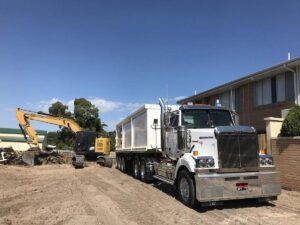
What keeps a rural access road usable after a Victorian downpour: another load of gravel, or a better-built foundation? When driveways & access roads develop washouts and potholes, the surface is often only part of the problem. Poor grading and drainage can let water undermine the road, leading to repeat repairs and difficult access for heavy machinery and trailers.
If you’re weighing up another patch-up, you’re not alone. A dependable, all-weather road starts with careful planning and solid construction, not just a fresh surface. This guide covers how to plan, build and maintain rural and commercial access roads for Victorian conditions, with practical advice on site preparation, grading, materials and water management.
Diamond Earthmovers is a family-owned Melbourne business serving properties across Victoria. Steve, Jayden and Claire work on earthworks projects including access roads and equestrian site preparation. Here are the key decisions that can help protect your property and improve access. View Diamond Earthmovers on Google Maps.
Key Takeaways
- Match your driveway design to its intended use, from everyday residential traffic to heavy machinery and trucks.
- Plan the route around site conditions and give water a clear path away to help reduce washouts and protect the road base.
- Compare materials against traffic, terrain and maintenance needs before choosing a surface for driveways & access roads.
- Look for early signs of wear, including potholes and corrugation, before they become harder to address.
- Diamond Earthmovers’ Melbourne team works on rural earthworks, including access roads and equestrian site preparation. Find Diamond Earthmovers on Google Maps or get in touch about your project.
Planning Driveways & Access Roads: More Than Just a Path
A road designed for a family car may not cope with trucks, trailers or heavy machinery. Before choosing a surface, decide what the route needs to carry, how often it will be used and whether vehicles need room to pass or turn. Planning driveways & access roads around actual use helps set practical requirements for width, turning space and load-bearing capacity.
Map the route before work begins. Mark buildings, gates, slopes, existing dams and waterways, and note where water collects after rain. A low-lying or boggy section might look like the shortest route, but it can become a weak point that needs extra preparation. Choosing the alignment carefully can help avoid difficult ground and reduce the risk of runoff reaching sensitive areas.
Surface choice matters, but it’s only one part of the plan. For an overview of driveway construction materials, compare options against your traffic, terrain and ground conditions.
Assessing Site Conditions and Soil Stability
Ground conditions vary across Victoria. Reactive clay, including soils found around parts of Melbourne, can move as moisture levels change. If the underlying ground isn’t prepared for the site and intended loads, movement can contribute to unevenness, sinking and potholes.
A site cut may be needed to remove unsuitable material or shape a level, stable formation. The depth and approach depend on what the site reveals, so don’t assume a layer of rock alone will solve a soft base. Proper compaction helps create a firmer subgrade before the road material goes down, supporting the surface under regular traffic.
Navigating Permits and Local Victorian Regulations
In Melbourne, check with the relevant council before creating or modifying a driveway crossover, the connection between your property and the public road. Permit requirements and specifications can differ between councils, so confirm what applies to your address before arranging work.
Plan drainage so water doesn’t carry sediment or runoff into a dam or waterway. The route, ground levels and drainage design should work together, rather than directing water somewhere it can cause erosion or damage.
Access width and clearance also need careful thought, particularly where emergency vehicles may need to reach the property. Requirements can depend on the site and its use. Contact your local council and the Country Fire Authority (CFA) to confirm what applies. Don’t rely on a generic width instead of checking.
Diamond Earthmovers is a family-owned Melbourne specialist serving properties across Victoria. For help planning a rural access road, contact the Diamond Earthmovers team. You can also view Diamond Earthmovers on Google Maps.
The Foundation: Why Drainage is the Secret to Longevity
Water can undermine a road from below as well as wear away its surface. If runoff sits on the formation or seeps into a weak road base, repeated traffic can turn soft spots into ruts and potholes. Even bitumen can fail when the layers beneath it are poorly prepared or remain saturated. Durable driveways & access roads need a drainage plan built into the work, not added as an afterthought.
The subgrade is the prepared ground beneath the road’s gravel or other surface layers. Its condition matters: a strong surface laid over soft, uneven or poorly compacted soil may still shift under vehicle loads. Before placing road material, shape and compact the formation to suit the site. Drainage and ground preparation work together to help keep the base stable through wet conditions.
Crowning, Cross-Falls, and Grading Techniques
Grading shapes a road to a precise slope so water runs off rather than pooling on the surface. A crowned road has a centre slightly higher than its edges, allowing water to shed to both sides. On some sloped sites, a cross-fall directs water towards one planned drainage point instead. The right profile depends on the road’s alignment, terrain and where runoff can be safely managed.
Professional grading helps create a consistent surface and direct water towards drains or suitable dispersal areas, rather than letting it collect in wheel tracks. The goal isn’t simply to move water off the road quickly; it’s to control where it goes across the wider property. Consider existing drainage routes, dams and waterways as part of the plan, and check relevant local guidance such as the City of Melbourne’s engineering standards.
Culverts, Spoon Drains, and Swales
Drainage features should suit the volume and direction of water on your site. Culverts carry water beneath a road at a natural flow point, helping prevent it from cutting across the surface and eroding the road edge. Spoon drains are shallow channels that collect and direct runoff away from the road base. On suitable sites, rock-lined swales can slow flowing water and help reduce erosion and sediment movement.
Each feature needs to connect sensibly with the property’s broader water-management plan. A drain that simply shifts the problem downhill can create new erosion or send sediment towards a dam or waterway. Observe where water flows during rain and get site-specific advice before settling on a layout.
For help considering grading and drainage as part of a rural access project, talk with the Diamond Earthmovers team. You can also find Diamond Earthmovers on Google Maps.
Comparing Materials for Victorian Access Roads
The right surface depends on more than appearance. Consider the road’s length, expected traffic, slope, soil and how much ongoing maintenance you can manage. A short, steep driveway used by loaded vehicles has different demands from a long rural track with occasional light traffic. For durable driveways & access roads, choose a material that suits both the site and the way you’ll use it.
Crushed rock is a practical choice for many rural properties because it can be shaped and maintained over time. A sealed surface may better suit a steep or frequently used section, but it still relies on a stable base and effective drainage. Recycled concrete can also be considered as an alternative aggregate. Ask about its grading and suitability for your ground conditions, intended loads and finished surface before deciding.
Crushed Rock and Gravel: The Rural Workhorse
Graded crushed rock, such as a 20 mm Class 3 material, contains a blend of particle sizes. The finer material, often called fines, helps smaller particles pack between larger pieces and bind the surface when compacted. Decorative gravel is generally selected for appearance and may lack the same grading or binding qualities, so it may not perform as well under repeated vehicle traffic. For a detailed look at how preparation, compaction and drainage affect performance, see the guide to crushed rock driveways: options, benefits and choosing the right finish.
Crushed rock can suit long rural routes where a sealed surface may not be practical, but it isn’t maintenance-free. Traffic and weather can loosen the surface or create corrugations, so periodic grading may be needed to restore a smooth profile. How often depends on site conditions and use.
Bitumen and Asphalt: Sealed Surface Options
A sealed surface can help limit water entering the road surface and reduce loose material on steep driveways. It may be worth considering for busy routes or sections where dust and surface movement are persistent concerns. However, sealing won’t correct poor drainage or a weak formation beneath it.
Compare the initial outlay with expected upkeep over the road’s life, without assuming a sealed option will always cost less in the long run. A thorough site cut, a stable, compacted base and suitable drainage are especially important. Movement below a sealed surface can lead to cracking or uneven areas that are harder to address than surface wear on gravel.
Choose for the Whole Road, Not Just the Surface
Different sections of one access route may need different treatment. You might use crushed rock on a long, lightly trafficked stretch and consider sealing a steep approach or frequently used entrance. Recycled concrete may also be suitable where its properties match the project. Compare materials against site conditions and maintenance needs, and confirm specifications with your supplier or earthmoving contractors who have relevant experience with similar work.
Diamond Earthmovers is a family-owned Melbourne specialist serving properties across Victoria. For advice on planning a rural access road, contact the Diamond Earthmovers team or view Diamond Earthmovers on Google Maps.

Maintaining Your Driveway: Grading and Resurfacing
Small defects can reveal bigger problems. A pothole that returns after patching may indicate water is getting into the road base or the underlying ground has weakened. Check whether the area stays wet, whether nearby drains are blocked and whether the surface still sheds water. Filling the hole without addressing the cause can leave the same weak spot ready to open up again.
Gravel roads can also develop corrugations, the repeated ridges that make a drive uncomfortable and loosen surface material. They often form where traffic repeatedly travels over a worn or poorly shaped surface. A grader can reshape the affected section, restore a consistent profile and help re-establish the crown so water drains towards the road edges. Simply adding material over ridges may hide the problem temporarily rather than correct the road shape.
Regular maintenance grading can help preserve a sound road and may avoid more extensive repairs, but it can’t fix every failure. If potholes are widespread, the base is soft or water continues to undermine the surface, the affected layers may need further attention. Assess the road’s condition before deciding between maintenance and reconstruction.
Professional Grader Hire for Road Restoration
A grader can cut into and reshape a gravel surface, working out potholes and corrugations rather than just covering them with loose rock. The operator can also re-form the crown and direct runoff away from wheel tracks. The right approach depends on the road’s condition: if the subgrade has failed, grading alone may not be enough.
Preventative Maintenance Checklist
Before winter, inspect the road and its drainage points. A simple routine can help you catch issues early:
- Clear leaves, sediment and other blockages from culverts and drains so water can pass through.
- Check for vegetation or raised berms along the edges that may trap water instead of letting it drain away.
- Look for fresh potholes, soft patches, rutting and corrugation, especially where water crosses or collects.
- Where the surface is wearing thin, assess whether a fresh wear course of suitable fine rock is needed to renew the gravel layer.
Consistent checks and timely grading can help keep driveways & access roads serviceable and reduce avoidable wear. If you’re unsure whether a road needs grading or more substantial work, Diamond Earthmovers is a family-owned Melbourne specialist serving properties across Victoria.
For details about grader hire in Melbourne, contact Diamond Earthmovers.
Find Diamond Earthmovers on Google Maps.
Partnering with Diamond Earthmovers for Your Next Project
A road project affects how people, vehicles and equipment move across your property, so clear communication matters alongside careful earthworks. Diamond Earthmovers is a family-owned Melbourne business serving properties across Victoria. Steve, Jayden and Claire can discuss the site, intended use and construction stages before work gets underway.
Planning can bring together excavation, grading and the finished road surface as connected parts of the job. The team’s services include site preparation and grader work, which can be relevant on rural and equestrian properties where levels, ground conditions and drainage all shape the result. A clear scope helps everyone understand what the site needs, from the initial cut through to preparing and spreading the surface material. If you’re comparing proposals or want to understand what to look for when selecting earthmoving contractors for your project, reviewing experience with similar work and site conditions is a practical starting point.
Specialised Solutions for Equestrian and Rural Properties
Access routes for horse floats and feed trucks need to be planned around vehicle size, turning movements, traffic frequency and the ground beneath the road. Share how you expect to use the route so those demands can inform its layout and construction. For properties with horse arenas or yards, coordinated site preparation can also help connect the facility with practical access.
Sloping or difficult blocks may call for additional earthworks. Diamond Earthmovers also builds rock retaining walls, which may be considered where a driveway meets a slope. The right approach depends on the site. Discuss ground levels, drainage and how the access route connects to other planned work.
Get Your Project Started
Discussing the site and intended use before work begins can help identify important decisions early, such as access width, vehicle requirements, drainage and surface choice. Share any known problem areas and explain what vehicles need to reach the property. This gives the team useful context to discuss the project’s scope and suitable next steps, without assuming every site needs the same solution.
To discuss a driveway or rural access road project, contact Steve, Jayden and Claire through the team’s contact page. You can also find Diamond Earthmovers on Google Maps.
Contact Diamond Earthmovers to discuss your driveway or access road project.
Build an Access Road That Works for the Long Term
A dependable road starts with decisions made before the surface goes down. Plan around the vehicles and equipment that need access, prepare the ground to suit the site, and give water a controlled path away from the road. Choose materials for your terrain and traffic, then look for early signs of wear so you can consider maintenance before problems spread.
Those details distinguish a quick fix from a carefully planned result. Diamond Earthmovers is family owned and operated, with professional grader hire for precision levelling. Steve, Jayden and Claire can discuss your project and the practical steps involved in building durable driveways & access roads across Melbourne and Victoria.
With sound planning and the right groundwork, your next access project can provide a more reliable route across your property.
Frequently Asked Questions
How much does it cost to build a crushed rock driveway in Melbourne?
The cost depends on the site and the work required, so there isn’t one reliable figure for every Melbourne property. The driveway’s length and width, access for machinery, ground conditions, drainage, amount of excavation and material requirements can all affect the project scope. Ask for an assessment based on your property and intended use. Request a project-specific quote from Diamond Earthmovers.
Do I need council approval for a new access road on my rural property?
Check with your local council before starting, as requirements depend on the property, proposed works and whether the road connects to a public road. In Melbourne, a permit is required for a new or modified driveway crossover, but that doesn’t determine approvals for every rural access road. Ask your council whether planning, crossover or other approvals apply, and confirm any relevant environmental considerations for your site.
What is the best material for a steep driveway to prevent erosion?
There’s no single best surface for every steep driveway. A sealed surface can help limit water entering the road, while well-graded crushed rock may suit other sites. Either can be vulnerable if the base is weak or drainage is poorly planned. Consider the slope, soil, traffic and where runoff will go. Shape the road to shed water in a controlled way, and get site-specific advice before choosing materials.
How thick should the crushed rock base be for heavy truck access?
There isn’t a universal thickness that suits every truck-access road. The required build-up depends on the soil, drainage, vehicle loads, traffic frequency and the condition of the ground beneath the road. Heavy vehicles need a base designed for the site, not simply a thicker surface layer placed over soft soil. Have the formation assessed and compacted appropriately, and confirm material and construction specifications with your earthworks contractor.
Can you repair a gravel road that has been badly washed out?
Yes, a washed-out gravel road can often be repaired, but the underlying cause needs attention as well as the visible damage. Check where water entered or crossed the road, whether drains or culverts are blocked, and whether the base has softened. Depending on the damage, repair may involve reshaping the road, restoring drainage or rebuilding affected sections. Diamond Earthmovers provides excavation, driveways and access roads, and grader hire in Melbourne and across Victoria.
How often should a rural access road be graded?
There’s no fixed grading schedule for every rural road. The right timing depends on traffic, weather, surface material, drainage and how quickly signs of wear appear. Inspect after heavy rain and look for corrugations, potholes, ruts, standing water or a flattened crown. Addressing these signs early can help maintain a smoother surface. If defects return soon after grading, check whether a drainage or foundation problem needs attention.
What is the difference between a driveway and an access road for CFA requirements?
The terms describe how a route is used, but they don’t establish which requirements apply to a property. A driveway commonly serves a home, while an access road can provide a route across a rural property to buildings or facilities. If emergency vehicle access is a concern, ask your local council and the Country Fire Authority (CFA) what applies to your specific site, including any relevant width and clearance considerations.
Can Diamond Earthmovers help with both the excavation and the final surfacing?
Diamond Earthmovers lists both excavation and driveways and access roads among its services, alongside grader hire in Melbourne. The work required will depend on your site, road design and chosen surface, so discuss the scope before planning the project. The family-owned Melbourne team serves properties across Victoria. View Diamond Earthmovers on Google Maps.