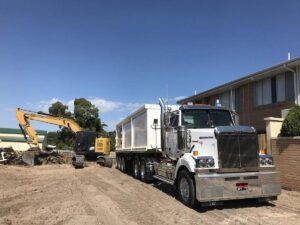
A flat-looking paddock isn’t automatically a sound starting point for horse riding arenas & yards. Existing ground levels, how water moves across the property and the way you plan to use the space all influence how the site should be prepared.
Before committing to earthworks, it’s worth asking some practical questions. Is there enough space for the facility and machinery access? Are nearby structures or changes in level likely to affect the layout? What will the arena or yard need to support now, and could those needs change later?
This guide covers the key decisions to consider before discussing your project, including intended use, site conditions, levelling and water management. It also explains what to compare in contractor proposals and what information to gather for a useful first conversation.
Diamond Earthmovers is a Melbourne-based, family-owned earthmoving business serving Victoria. The team develops custom horse riding arenas and yards, with site levelling and preparation tailored to the property and its intended use. You can find the team on Google Maps.
Key Takeaways
- Clarify whether you need a riding arena, a horse yard or a combined facility. Use the intended activities to guide the layout and site preparation.
- Discuss existing levels, machinery access and water movement as part of a site-specific assessment for horse riding arenas & yards.
- Compare contractor proposals by checking the work included, site assumptions, access requirements and exclusions, not just the equipment listed.
- For any project example, look for a clear account of the client brief, assessed site conditions, agreed work and verified outcome.
- Gather your property location, intended use and known site constraints before discussing your project with Diamond Earthmovers. View the team on Google Maps.
Horse Riding Arenas & Yards: Start with the Property and Intended Use
A well-planned equestrian facility starts with the property and what you need the space to do. A riding arena is generally used for schooling or riding, while a horse yard is a space for handling or keeping horses. Some projects combine these functions. The right layout depends on your priorities, the available area and how the facility will be used. For a basic reference to indoor arena terminology, see Riding hall.
Before discussing earthworks, write down the essentials. Who will use the facility? Which activities should it support? How often will it be used, and what access is available for machinery? Note the space you can allocate and whether future plans could affect the layout. This helps distinguish must-haves from optional features and gives the contractor a clearer brief.
What will the arena or yard need to support?
List the intended activities, such as schooling, general riding, handling or turnout. A space used regularly for riding may have different priorities from one mainly used for everyday horse handling. Note who will use it, how often, and whether several activities need to fit into the same area. Then decide which requirements matter from the outset and which could be considered later.
What should you assess on a Victorian property?
Existing ground levels, machinery access and nearby structures are practical points to discuss during a site visit. Ask the project team to assess the ground and water-management conditions rather than relying on appearance alone. Properties around Melbourne and elsewhere in Victoria vary, so don’t assume a layout or earthworks approach that suits one site will suit another.
Site suitability and earthworks requirements need a property-specific assessment. Photos, a rough sketch and notes about access or known constraints can help start the conversation, but they don’t replace an on-site look. Diamond Earthmovers is a Melbourne-based, family-owned earthmoving business serving Victoria. Its custom horse riding arenas and yards include site levelling and preparation tailored to the intended use.
To discuss your property and project requirements, contact Diamond Earthmovers. You can also view Diamond Earthmovers on Google Maps.
How Site Preparation Shapes Horse Riding Arenas & Yards
Site preparation covers the assessment and earthworks considered before an arena or yard is developed. It turns the project brief into a practical scope by identifying the work that may suit the property, rather than treating every site as though it has the same levels, access or ground conditions.
Site-specific preparation gives you a clearer basis for planning. It helps you discuss the work, machinery access and site conditions that may affect the project. For broader background on equestrian facility planning and construction, Penn State Extension provides resources on topics including arena footing and stable design. As an overseas reference, it should complement, not replace, advice based on your own property.
What does arena and yard site preparation involve?
The discussion may cover the proposed facility, existing ground levels, machinery access and which earthworks appear relevant. There is no fixed scope for every project: the work depends on the site and the agreed brief. Excavation or grader work may be considered if the project team confirms it suits the requirements.
Before the work is scoped, consider how the available area relates to the planned layout and access route. Nearby structures, narrow access or other site constraints may affect how machinery can reach the work area and how the project is approached. Share what you know, then ask what needs to be assessed on site before the contractor can define the scope.
Why do levels and water management matter?
Ground levels and the movement of water across the property should be considered together. Ask the project team to assess the existing conditions and explain what earthworks may be appropriate for your planned arena or yard. Don’t assume a particular gradient, drainage system or surface build-up will suit your site without project-specific advice. If you’re weighing up trenching, this practical guide to horse arena drainage in Victoria explains what trenching can and can’t do.
When discussing proposals, ask how site preparation and the intended surface will be considered together, and check which elements are included in the scope. This can help you identify where further design or separate arrangements may be needed, rather than assuming all parts of the facility are covered by earthworks.
For related guidance on how slopes, ground conditions and water movement influence rock retaining wall site preparation and construction, see the project planning guide. Diamond Earthmovers is a Melbourne-based, family-owned earthmoving business serving Victoria, with horse riding arena and yard development, site levelling and preparation among its services. To discuss the requirements for your property, get in touch about your project. You can also find Diamond Earthmovers on Google Maps.
Compare Horse Arena and Yard Proposals by Scope, Not Just Equipment
Proposals for horse riding arenas & yards can look similar while covering different work. Compare the scope and responsibilities, not just the machinery named. Equipment suitability depends on the property and the proposed work, so ask how the contractor assessed your site and why the recommended approach fits the brief.
What should an earthworks proposal make clear?
Check that the proposal reflects your intended arena or yard use and the site conditions considered. If a detail is unclear, ask which tasks are included, what needs separate arrangements, and which assumptions or exclusions could affect the work. Where possible, have the scope and responsibilities stated in writing so you can compare proposals on the same basis.
| Scope Item | Proposal A | Proposal B |
|---|---|---|
| Project scope | What work is described? | What work is described? |
| Site assessment | What site conditions were considered? | What site conditions were considered? |
| Levelling | Is it included, and to what agreed scope? | Is it included, and to what agreed scope? |
| Access | Are access needs or constraints noted? | Are access needs or constraints noted? |
| Exclusions | What requires separate arrangements? | What requires separate arrangements? |
Use the table to record what each contractor has actually allowed for. A blank or unclear answer is a reason to ask for details, not to assume the work is included. Clarify responsibilities if ground conditions, machinery access or the division between earthworks and other project tasks remain uncertain.
How can you compare contractors fairly?
Look for relevant experience in earthmoving and equestrian projects. Ask how the contractor will assess the property and explain the proposed sequence of work. Diamond Earthmovers is a Melbourne-based, family-owned business serving Victoria, with arena and yard development, site preparation, excavation and grader services among its capabilities. Ask which services are relevant to your project rather than assuming every service or machine is required.
Surface choices can also affect what needs to be discussed in a project scope. Penn State Extension’s guide to arena footing material selection offers background on footing materials and management. Treat it as general reference material, then confirm project-specific requirements with the relevant team.
If you’re comparing proposals, discuss your arena or yard project scope with Diamond Earthmovers. You can also view the business on Google Maps.

A Horse Riding Arena or Yard Project: Follow the Verified Case Study
A useful project case study explains how the owner’s brief and the site assessment shaped the agreed work. Without verified details for a particular job, it’s better to use a project checklist than to present an example as though it describes a completed Diamond Earthmovers project. The stages below show what to look for in a documented horse riding arenas & yards project, and which details need to be specific to that property.
The brief and site assessment
A case study should begin with the facility the owner wanted and the activities it needed to support. It should then describe the site factors assessed by the project team. Look for a clear distinction between the owner’s initial observations and conditions confirmed during assessment. Details such as dimensions, ground conditions, machinery access and nearby structures should be included only when established for that project.
- 1. Client brief: Record the intended use and the owner’s priorities using confirmed project information.
- 2. Site assessment: Describe only the property conditions and access considerations documented by the team.
- 3. Agreed scope: Set out the work that was approved, including any stated exclusions or responsibilities outside the earthworks.
The earthworks sequence and confirmed result
A reliable project account follows the work in order, from the agreed scope through to handover. The details should come from project records or an approved interview, not from assumptions about what every arena or yard requires.
- 4. Earthworks delivery: Include completed work and machinery used only when confirmed by the project team. Avoid adding technical specifications or claims about drainage, ground performance or surface preparation without evidence.
- 5. Confirmed handover: State what was handed over and describe the outcome only if the project team can verify it. Customer comments and before-and-after photographs also need approval before use.
Water management may be relevant to an individual project, but any explanation should reflect the conditions and work confirmed for that site. When assessing a case study, check that it explains why the chosen approach suited the property. One project’s solution or result should not be treated as a template for every site.
Diamond Earthmovers is a Melbourne-based, family-owned earthmoving business serving Victoria, with horse arena and yard development, site levelling and preparation among its services. A documented project can show how the brief and site assessment informed its agreed scope, while making clear that requirements vary by property. View Diamond Earthmovers on Google Maps.
Plan Your Horse Riding Arena & Yard Project with Diamond Earthmovers
Before making an enquiry, gather a few practical details about your property and plans. You don’t need to diagnose the ground or have a finished design. A clear starting brief helps Diamond Earthmovers understand what you’re considering and discuss which site-specific details may need closer assessment.
What information should you prepare before making an enquiry?
Share the property location, the type of facility you’re planning and how you intend to use it. For horse riding arenas & yards, explain whether you’re considering an arena, a yard or a combined facility, and list the activities it needs to support. Mention known access limitations, existing level changes and water-management concerns. Describe what you’ve observed without trying to determine the cause.
If you have site photos, a property plan or a rough layout, these may help explain your ideas. Share them if they’re available and appropriate, but you don’t need formal plans to start a conversation. It’s also useful to separate essential requirements from features you’re still considering.
What happens after you get in touch?
Diamond Earthmovers can discuss custom arena and yard development and associated site preparation. The next steps depend on the information available and the requirements of your property, so don’t assume a generic process or scope is a project commitment. If further assessment is needed, ask what information or arrangements would help clarify the proposal.
Use the discussion to confirm what the proposed work covers and what sits outside its scope. Ask how timing will be addressed, what access is needed and which responsibilities belong to you or other parties. If ground conditions or water management remain uncertain, raise those points and ask how they’ll be considered before the scope is settled.
A site-specific conversation is a practical way to explore whether your plans and property requirements align. Diamond Earthmovers is a Melbourne-based, family-owned earthmoving business serving Victoria, with horse arena and yard development, site levelling and preparation among its services. Find the business on Google Maps.
Take the Next Step Towards Your Equestrian Facility
A practical plan for horse riding arenas & yards starts with the property and the way you intend to use it. Site conditions can shape the earthworks required, so avoid making assumptions about levels, access or water management. When comparing proposals, check what each contractor has included, what’s excluded and which responsibilities still need clarification.
Diamond Earthmovers is a Melbourne-based, family-owned and operated earthmoving business serving Victoria. The team develops custom arenas and yards, with precision site levelling and preparation tailored to the project. Excavation and grader services may also be relevant, depending on the agreed scope. Bring your property location, intended use and known site constraints to the discussion so the project can be considered on its own requirements.
You can also find Diamond Earthmovers on Google Maps. To discuss your Melbourne or Victorian property and arena or yard plans, contact Diamond Earthmovers.
Frequently Asked Questions
What is the difference between a horse riding arena and a horse yard?
A riding arena is planned for activities such as riding or schooling, while a horse yard serves practical needs such as handling or containment. Depending on how horses use the property, you may need one or both. Before discussing earthworks, clarify the intended activities, who’ll use the space and how much area is available. The layout and preparation should reflect the property and your project brief.
What should I consider before building a horse riding arena?
Start with the intended use, available space, machinery access and existing ground levels. Note nearby structures and known site constraints, then discuss water management with an experienced earthmoving contractor. Avoid choosing a layout or earthworks scope solely from a generic example. A site-specific assessment can help identify which conditions need further investigation and what preparation may be appropriate for your Melbourne-area property.
Does a horse riding arena need drainage?
Water management is an important consideration, but the suitable approach depends on the site, ground conditions and planned facility. There isn’t one drainage design that can be assumed to suit every property. Ask the project team to assess levels and water movement, and request clarification on technical recommendations before work begins. General drainage information can provide context, but site-specific advice remains important. For Victorian properties, see our guide to horse arena drainage and trenching.
How do I compare horse arena construction quotes?
Compare each written proposal by its scope, site assessment, preparation tasks, access assumptions and exclusions. Ask contractors to explain how the proposed work relates to your intended use and property conditions. Don’t compare headline figures alone or assume proposals include the same tasks. If an assumption, responsibility or ground condition is unclear, ask for it to be clarified in writing before deciding which contractor to engage.
Can an earthmoving contractor prepare a site for a horse arena and yard?
An earthmoving contractor may be able to undertake relevant site preparation, levelling or excavation, depending on the assessed site and agreed scope. Diamond Earthmovers lists custom horse riding arenas and yards, including site levelling and preparation, among its services. Ask which tasks the team can manage for your project and whether other specialists or separate arrangements may be needed to complete the wider facility.
What information should I provide when requesting an arena or yard project discussion?
Share the property location, the type of facility you’re considering and how you expect to use it. Mention known access limitations, existing site features and any concerns about levels or water management without trying to diagnose them. Available plans or photos may help explain the property. This gives the contractor a useful starting point for discussing the project and any further assessment that may be needed.
Does Diamond Earthmovers build horse riding arenas and yards in Melbourne?
Yes. Diamond Earthmovers is a Melbourne-based, family-owned earthmoving business serving Victoria, with custom horse riding arenas and yards, site levelling and preparation among its services. The work required depends on your property and project brief, so discuss the location, intended use and known constraints with the team. To start an enquiry, contact Diamond Earthmovers about your arena or yard project, or find the business on Google Maps.