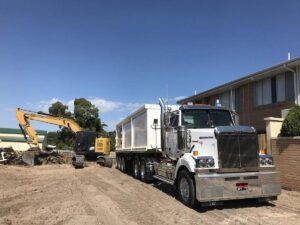
Could the success of your entire Victorian build depend on a few millimetres of soil? It’s a sobering thought, but site cut excavating is the most critical structural step you’ll take. If the ground isn’t prepared with absolute precision, you risk everything from poor drainage to the dreaded slab heave. Many Melbourne homeowners feel a knot in their stomach when the diggers arrive. They worry about hitting basalt floaters in the western suburbs or facing hidden costs that blow the budget before the slab is even poured.
We understand that “cut and fill” terminology can feel confusing, and the fear of a reactive clay site is real. This guide is here to help you breathe easier. You’ll learn exactly how the site cut process works, why engineering specifications aren’t just suggestions, and how to ensure your foundation stays rock solid. From managing Melbourne’s unique geology to achieving a perfectly level building pad, we’re covering the essential steps to give you total peace of mind for the journey ahead.
Key Takeaways
- Master the “cut and fill” process to ensure your building pad is perfectly level and structurally ready for construction.
- See why professional site cut excavating prevents uneven slab thickness and protects your home against the long-term risk of slab heave.
- Prepare for Melbourne’s unique terrain, including reactive clay and hidden basalt, to avoid unexpected delays and costs during the dig.
- Learn how proper site drainage and topsoil removal create a stable subgrade that meets strict engineering specifications.
- Identify the benefits of partnering with local Victorian specialists who use precision machinery to get your foundation right the first time.
What is Site Cut Excavating? Understanding the Cut and Fill Process
Site cut excavating is more than just moving dirt around; it’s the foundational act of turning a raw piece of Victorian land into a viable building site. Essentially, it’s the process of levelling a specific area of your block to create a flat building pad, often called a “bench.” This bench serves as the precise surface where your concrete slab will eventually sit. Before any heavy machinery arrives, a surveyor must mark out the exact height and location requirements. These markers act as the North Star for the operator, ensuring the finished level matches the architectural plans to the millimetre.
The Mechanics of Cut and Fill
Achieving a level site on sloping ground usually involves the cut and fill earthmoving process. This method involves “cutting” soil away from the higher parts of the block and using that same material to “fill” the lower sections. Cut and fill is the strategic redistribution of earth to achieve a level plane.
One of the biggest advantages of this approach is soil balance. By calculating the volumes accurately, we can minimise the need to pay for expensive soil removal or the import of fill material from elsewhere. We also have to consider the “batter,” which is the carefully graded slope that transitions between the new level pad and the existing natural ground. Getting the batter angle right is vital for long-term embankment stability and helps prevent erosion around your new home.
Why a “Rough Level” Isn’t Enough
You might think a general scrape of the surface is sufficient, but modern construction demands much more. Generic earthmoving doesn’t cut it when you’re dealing with architectural tolerances. Builders today often require a level of precision within just a few millimetres. If the pad is off, the slab thickness varies, which can lead to structural weaknesses or massive extra costs in concrete over-pours. A site that isn’t perfectly level can even cause issues with the plumbing and drainage layouts that sit beneath the slab.
This is why engaging a professional excavation melbourne specialist is non-negotiable. We use advanced tools and years of local experience to ensure the subgrade is perfectly prepared, providing a reliable surface that engineers can sign off on with confidence. It’s about starting your project with a clean, accurate slate rather than a “near enough” guess that could cause headaches later.
Why Precision Site Leveling is Non-Negotiable for Your Build
The site cut is the canvas upon which every subsequent trade works. If this initial stage is flawed, the errors cascade through the entire build, affecting everything from the frame to the final floor finishes. Precision in site cut excavating ensures that the concrete slab has a uniform thickness across the entire footprint. When a building pad is uneven, the concrete pour results in sections that are either too thin or unnecessarily thick. Thin sections are prone to structural cracking under the weight of the house, while overly thick sections create internal stresses and waste expensive materials.
Beyond the concrete itself, the site cut dictates the depth and positioning of essential underground services. Plumbers and electricians rely on the finished subgrade level to install pipes and conduits at the correct regulatory depths. An inaccurate cut can leave these services too close to the surface or buried too deep, complicating connections and requiring expensive remedial digging. Safety is also a primary concern during this phase. We always adhere to WorkSafe Victoria’s excavation compliance code to protect the site and ensure the ground remains stable for the duration of the project.
Protecting Your Slab Integrity
Engineering specifications for Melbourne homes are strict about soil compaction. When we move earth to fill lower areas, that “fill” must be compacted in systematic layers to achieve a relative dry density of at least 95% to 98% to prevent differential settlement. If the compaction isn’t uniform, you end up with “soft spots.” Over time, the heavy weight of the house will cause these spots to compress, leading to structural sinking or tilting. We use specialised vibrating rollers to ensure the entire pad provides equal support, which is the best defence against the risks of slab heave in reactive soils.
The Cost of Inaccuracy
A poorly executed site cut is a major budget killer. If an excavator takes out too much soil, the builder has to fill that void with extra concrete during the slab pour. For a standard residential site, even a few centimetres of over-excavation can add thousands of dollars to your concrete bill. Additionally, many builders will simply refuse to start work if the site isn’t to the exact engineering spec, leading to weeks of delays while the earthworks are corrected. It’s far more cost-effective to get the levels right the first time. If you’re unsure about your block’s requirements, you can reach out to us for a professional site assessment to get your project moving on the right foot.
The Step-by-Step Site Cut Process: From Survey to Slab-Ready
Knowing the sequence of events helps you manage your build timeline and understand exactly what’s happening on-site. The site cut excavating process is a methodical transition from raw earth to an engineered platform. It begins once your surveyor has placed the offset pegs. These markers define the boundaries and the finished floor level (FFL) of your future home, providing the precise data points our operators need to follow.
Phase 1: Site Clearing and Benchmarking
Before any heavy digging starts, we clear the site of all vegetation, debris, and surface obstructions. The most critical part of this phase is stripping the “topsoil.” While it’s great for your future garden, topsoil is full of organic matter that decomposes over time. This makes it structurally unsuitable for a building foundation. Phase 1 ensures the soil being worked is structurally capable of supporting weight by reaching the stable clay or rock layers beneath. We use a combination of laser levels and GPS technology to track the surveyor’s benchmarks accurately, ensuring every bucket of earth moved aligns perfectly with your architectural plans.
Phase 2: Compaction and Final Grading
Once the site is clear, the bulk earthworks begin. This is where we move the heavy volumes of earth to reach the subgrade level. If your block requires fill to raise low points, we don’t just dump the dirt. We follow a strict layering process, placing fill in thin “lifts” (typically 150mm to 200mm) and compacting each layer thoroughly before adding the next. This methodical approach aligns with WorkSafe Victoria’s Excavation Compliance Code, ensuring the ground remains stable and safe for everyone on-site.
The “final trim” is the most technical part of the job. We use laser-guided equipment to shave the surface down to the exact millimetre-perfect height required by your engineering datum. Finally, we install a “rumble pad.” This is a layer of large crushed rock at the site entrance that prevents construction vehicles from tracking mud onto Melbourne’s roads. It also provides a stable entry point for the heavy concrete trucks that follow. Once the pad is swept and the levels are verified, we hand the site over to your concreter. If you have questions about how your specific block will be handled, get in touch with us to discuss your project requirements.

Navigating Victorian Terrain: Soil Types, Rock, and Drainage
Melbourne’s diverse geology presents unique challenges for site cut excavating. Unlike other Australian states, large parts of our city sit on highly reactive volcanic clays or stubborn bluestone rock. Understanding what lies beneath the surface is vital because it dictates how deep we need to cut and how we manage the soil’s potential for movement. In the western and northern suburbs, such as Werribee, Melton, and Sunbury, we frequently encounter Quaternary Newer Volcanics basalt. These areas are known for Class H1, H2, and E reactive clays, which shrink and swell significantly as moisture levels change.
The “rock factor” is another reality for Victorian builds. If an excavator hits a “floater”—a large, buried bluestone boulder—it can change the project’s technical requirements instantly. While the eastern suburbs often deal with Silurian mudstone and siltstone, the bayside regions sit on the Brighton Group formation of sands and sandy clays. Each requires a different approach to ensure the ground remains stable. Additionally, if your site cut creates a significant vertical drop, managing the transition with engineered retaining walls is essential to prevent soil collapse and protect the integrity of the building pad.
Managing Melbourne’s Reactive Clay
Reactive clay expands when wet and contracts when dry, which can lead to foundation movement if not handled correctly. To mitigate this, we sometimes use an over-excavation method. This involves removing a portion of the reactive soil and replacing it with high-quality, compacted crushed rock to create a more stable, non-reactive base. Timing is also a factor. The best time for site cuts in Victoria is generally during the drier months to avoid the “mud-fests” that occur in a typical Melbourne winter. Working in wet conditions makes precision difficult and can damage the soil structure. For a deeper look at how data-led soil balancing and advanced cut-and-fill strategies can prevent these issues on larger projects, our guide on bulk earthworks methods and civil site preparation covers the complete workflow in detail.
Drainage and Erosion Control
Once the site cut is complete, managing water is the highest priority. Under the National Construction Code (NCC 2022), site levelling must ensure water drains away from the building perimeter at a minimum slope, typically a 50mm fall over the first metre. We install “spoon drains” or temporary drainage ditches to divert runoff toward the legal point of discharge immediately. To comply with local Melbourne council regulations, we also set up silt fences and erosion controls to prevent sediment from washing into the stormwater system. Diamond Earthmovers specialises in precision drainage for both rural and residential sites. You can view our service area and find directions to our depot on this Google Map.
Choosing the Right Site Cut Contractor in Melbourne
Selecting a contractor for your site cut excavating is one of the most consequential decisions in your build. You need a partner who doesn’t just move dirt but understands the geological nuances of the Victorian landscape. While “dry hire” might seem tempting for the budget-conscious, wet hire is almost always superior for precision tasks. A skilled operator brings years of “seat time” to your project. They can feel changes in soil density and react instantly to underground obstacles. This expertise ensures your building pad meets the millimetre-perfect tolerances your builder expects.
Before you sign a contract, use this checklist to ensure your site is in safe hands:
- Insurance: Verify that the contractor holds current public liability and plant insurance.
- Specialised Fleet: Ensure they have the right mix of graders for precision and heavy excavators for rock.
- Local Knowledge: Look for a proven track record with Victorian soil types and council regulations.
- Communication: Choose a team that provides clear, honest updates regarding timelines and potential site challenges.
The Diamond Earthmovers Difference
As a family-owned and operated business, Diamond Earthmovers brings a personal touch that larger companies can’t match. Steve, Jayden, and Claire take immense pride in every bucket of earth moved, treating your building site with the same care as if it were their own. We don’t rely on generic equipment; our fleet includes precision graders for millimetre-perfect levelling and heavy-duty excavators equipped with rock breakers for those tough Melbourne basalt floaters. This combination of family accountability and professional-grade machinery is what sets us apart. You can find our base of operations and see the areas we serve on Google Maps.
Getting a Quote and Planning Your Project
To get the most accurate quote for your site cut excavating, it’s best to have your architectural and engineering plans ready. These documents tell us exactly how much earth needs to be moved, which allows us to provide a transparent estimate. We believe in building trust through honesty. We’ll always be upfront about potential variables like rock encounters or soil disposal costs under Victorian EPA guidelines. We aren’t here for a high-pressure sale. Instead, we want to be your reliable guide from the first scrape to the final trim. When you’re ready to start your build on solid ground, contact Diamond Earthmovers today to discuss your site preparation needs.
Build Your Victorian Project on a Solid Foundation
Your house is only as strong as the ground it sits on. Getting your site cut excavating right is the most important investment you’ll make in the early stages of your build. From navigating the reactive clays of the western suburbs to ensuring millimetre-perfect levels for your concrete slab, precision at this stage prevents costly structural issues later. We’ve seen how a well-prepared site streamlines the work for every trade that follows; it saves you time and prevents unnecessary stress.
As a family-owned business operated by the Diamond family, we bring a personal commitment to every project. We are Melbourne-based experts in precision earthworks, specialising in everything from custom site preparation for new homes to high-end equestrian arenas. We take pride in our workmanship and use professional-grade machinery to ensure your project starts on truly solid ground.
We look forward to helping you turn your architectural plans into a reality with a building pad you can trust. Let’s get your project moving today.
Frequently Asked Questions
What is the average time it takes to complete a residential site cut?
A standard residential site cut excavating project usually takes between one and three days to complete, depending on the block’s size and slope. If your property has a significant incline or we encounter heavy rock, the process can extend to a week or more. We aim to work efficiently to keep your build on schedule, ensuring the final building pad is perfectly level and ready for the next trade to begin their work.
Do I need a council permit specifically for site cut excavating in Melbourne?
You generally don’t need a separate council permit specifically for the excavation if it’s already part of a building permit for a new home. However, some Melbourne councils require a planning permit if you’re moving large volumes of earth or if your land has an environmental overlay. It’s always best to check with your local Victorian council or building surveyor before breaking ground. If you’re unsure, you can contact our team for guidance.
What happens if the excavator hits large rocks during the site cut?
When an excavator hits large bluestone boulders or sandstone, we switch to specialised attachments like hydraulic rock breakers or rippers. This is a common occurrence in Melbourne’s western and northern suburbs. While hitting rock can slow the pace of the work, our experienced operators use professional-grade machinery to clear the obstruction. We maintain transparent communication throughout this process, so you’re always aware of any adjustments needed for the project’s timeline or technical requirements.
Is it possible to complete a site cut during the Victorian winter?
It is possible to complete a site cut during the Victorian winter, though it requires careful management of the wet conditions. Melbourne’s winter can turn clay sites into difficult “mud-fests,” so we focus heavily on temporary drainage and silt control to protect the pad. We use precision machinery to maintain the integrity of the soil even when it’s damp. You can find our depot location and service area on this Google Map.
How much does soil removal (spoil) add to the cost of a site cut?
Soil removal, or “spoil,” can significantly impact the overall cost of site cut excavating if large volumes need to be transported off-site. Under Victorian EPA regulations, any soil leaving your property must be classified, which can add to the gate fees at licensed facilities. To keep your costs manageable, we focus on balancing the “cut and fill” volumes on-site whenever possible. This reduces the amount of material that needs to be carted away, saving you money on transport.
What is the difference between bulk excavation and a detailed site cut?
Bulk excavation involves the heavy lifting of moving large volumes of earth to reach the general subgrade level. In contrast, a detailed site cut is the precision phase where we use laser-guided tools to achieve the exact millimetre-perfect heights required by your engineering plans. While bulk work gets the site close, the detailed trim ensures the final building pad is a flawless canvas for your concreter to pour the house slab without any height discrepancies.
Can I use the excavated soil for my own landscaping later?
You can certainly use clean excavated soil for your own landscaping projects later, provided it’s stored correctly on-site. However, any organic topsoil we strip during the initial phase shouldn’t be used as structural fill under your building pad. We can stockpile suitable material in a designated area of your block for future garden beds or lawn levelling. This is a great way to recycle on-site materials and reduce the need for imported garden soil once your home is finished.
Why is compaction testing often required after a site cut is finished?
Compaction testing is often required by engineers to verify that any “fill” material can support the weight of your new home without sinking. In Victoria, this testing typically follows Australian Standard AS 3798 to ensure the soil has reached at least 95% to 98% density. By confirming the ground is stable, you get peace of mind that your foundation won’t settle unevenly, which is the best protection against future structural issues like cracked walls or slab heave.