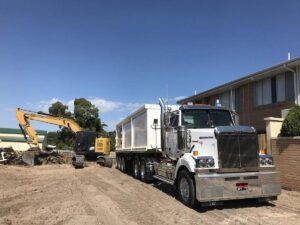
The success of modern bulk earthworks isn’t decided by brute horsepower or having the heaviest machine on the job; it’s won through data-led soil balancing before a single track hits the dirt. If you’ve ever managed a civil project across Victoria, you know the frustration of striking unmapped rock, wrestling with reactive clay subgrades, or watching budgets unravel because of miscalculated spoil volumes. Navigating environmental disposal guidelines and unexpected remediation costs can quickly derail an otherwise solid construction timeline.
Discover how modern bulk earthworks processes, advanced cut-and-fill strategies, and technology shape efficient civil site preparation across Victoria. In this guide, we walk you through the complete workflow from preliminary soil sampling to certified level pads, showing you how to balance on-site material to eliminate expensive soil export and confidently vet qualified civil contractors equipped for local ground conditions.
Key Takeaways
- Understand how professional bulk earthworks transforms raw terrain into certified, structurally sound building pads through methodical excavation and compaction.
- Discover how accurate cut-and-fill modelling and soil bulking factors prevent costly material imports and unnecessary spoil transport off-site.
- Learn how matching the right plant combinations, including heavy excavators, articulated dump trucks, and dozers, ensures efficient cycle times on complex Victorian ground.
- Explore how GNSS positioning and 3D machine control technology eliminate manual grade checking while delivering pinpoint site tolerances.
- Follow a proven five-stage site preparation workflow, from comprehensive underground service locating through to final quality sign-off.
What Are Bulk Earthworks? Civil Engineering Fundamentals Explained
At its core, bulk earthworks involves the large-scale excavation, redistribution, and compaction of raw earth materials to reshape natural topography. As detailed in technical outlines of earthworks in civil engineering, this initial phase transforms unworked terrain into stable, load-bearing subgrades ready for construction. Whether preparing an industrial logistics yard, carving out deep rural dams, establishing heavy access roads, or levelling ground for equestrian arenas, bulk earthworks sets the structural foundation for every phase that follows.
The Distinction Between Bulk and Detailed Excavation
Bulk earthmoving differs substantially from detailed excavation in both equipment scale and technical intent. Bulk site works tackle broad-acre reshaping, shifting hundreds or thousands of bank cubic metres of clay, soil, and rock across a property footprint. Detailed excavation, on the other hand, involves precision digging within narrow boundaries, such as excavating service trenches, boring pad piers, or cutting foundation footings.
Project sequencing requires a methodical approach where bulk clearing, subgrade stripping, and primary pad compaction must reach absolute completion before detailed digging starts. Attempting fine structural trenching before establishing certified site benches risks cave-ins, inaccurate benchmark heights, and costly plant rework.
Core Objectives of Civil Earthmoving Projects
Every civil cut-and-fill operation aims to produce an engineered surface tailored to long-term structural demands. Key objectives include:
- Establishing certified structural pads: Forming level, high-density building benches compacted in controlled layers to meet design tolerances under AS 3798 guidelines.
- Managing site hydrology: Shaping macro-slopes, swales, and falls across the landscape to control stormwater runoff and prevent severe soil erosion during heavy Victorian rains.
- Removing unsuitable subgrades: Stripping organic topsoils, compressible silts, and tree roots that naturally decay and cause structural settlement or slab cracking over time.
The Mechanics of Earthmoving: Balancing Cut, Fill, and Compaction
Successful bulk earthworks relies on engineering calculations rather than sheer digging power. Undisturbed ground sits in a compacted state known as bank cubic metres. Once excavated, that same material expands significantly; this increase is called the bulking factor. Solid clay or shale can swell by 20 to 40 percent as air pockets form between loose aggregates. When placing and mechanically rolling that dirt as engineered fill, it compresses into a smaller volume than its loose state, requiring precise shrinkage calculations.
Civil engineers track these material shifts using mass-haul diagrams. These graphical curves measure the distance and volume of soil moved from high cuts to low fills. By plotting cut-and-fill points across the layout, contractors minimise haul distances, ensuring machines don’t move earth across the site unnecessarily.
Optimising Cut and Fill to Reduce Import and Export
Achieving a zero-spoil balance is the golden standard of site cuts. Balancing on-site materials means matching cut quantities directly to the low-lying sectors requiring engineered fill. Eliminating off-site cartage prevents excessive tipping fees at licensed disposal facilities and avoids the purchase of quarry-grade fill.
In Victoria, strict environmental waste frameworks classification codes and landfill levies make off-site spoil transport exceptionally costly. Leaving excess soil to chance ruins project budgets rapidly. Working with experienced specialists for your site cuts and excavation Melbourne requirements ensures soil balances are modelled accurately before machinery turns a track.
Achieving Geotechnical Soil Compaction Standards
Placing fill isn’t just about pushing dirt into a dip; it demands structural integrity. Under Australian Standard AS 3798-2007 (Guidelines on earthworks for commercial and residential developments), structural fill must achieve strict relative compaction densities, typically 95 to 98 percent standard maximum dry density.
Density hinges entirely on moisture management. Soil placed too dry cannot consolidate properly, while overly wet soil squashes under the roller without locking into place. Methodical earthmovers achieve required densities by spreading fill in thin, uniform lifts, usually 150mm to 200mm deep. Each layer is cross-rolled with padfoot, smooth drum, or multi-tyred rollers before the next lift is introduced. This methodical layering prevents post-construction subgrade settlement and protects future slab integrity. On commercial and retail developments, experienced builders like DGR Construction Co. emphasise that rigorous subgrade stability is essential to safeguard concrete slabs and prevent costly structural defects later in the build.
Key Machinery and Fleet Selection in Modern Bulk Earthmoving
Setting up an efficient bulk earthworks operation requires the right equipment pairing. Civil site preparation relies on a balanced production chain, where excavator breakout force directly matches hauling capacity and roller passes. Selecting an appropriate fleet depends heavily on terrain and access, whether you are cutting rural access roads across steep Victorian hills or managing tighter building envelopes in urban growth corridors.
Selecting Plant for Bulk Material Movement
Every phase of heavy material handling requires plant configured for specific site dynamics:
- Tracked excavators: Heavy excavators deliver massive breakout force to rip through reactive clay strata and stubborn rock floaters, loading out material rapidly.
- Articulated dump trucks (ADTs): These machines keep dirt moving across soft, uneven, or wet ground where standard tippers cannot gain traction.
- Bulldozers: Essential for bulk site stripping, pioneering haul paths, and shoving large volumes of fill material over broad areas.
- Motor graders: Graders execute the final trim, establishing exact grades, drainage falls, and flat building footprints prior to construction.
- Compactor rollers: Heavy padfoot rollers break down cohesive clays, while smooth drum vibrating rollers seal granular fill to pass structural testing.
The Operator Advantage: Wet Hire Over Dry Hire
Top-tier machinery is only as good as the individual sitting in the cabin. Sourcing unassisted plant hire often leads to over-excavation, uneven subgrades, and accidental utility strikes that instantly blow out delivery schedules. A single misjudged cut can leave a building pad low, demanding expensive imported aggregate to correct.
Securing professional wet hire pairs well-maintained machines with skilled, certified operators who read the soil intuitively. Seasoned civil operators know how to handle reactive ground, manage cycle times, and trim pads to exact levels on the first pass. This level of hands-on expertise keeps your project moving smoothly while avoiding costly rework. Before committing to any earthmoving team, reviewing a thorough checklist for hiring excavating contractors in Melbourne can help you verify licences, insurances, and operator credentials before machinery arrives on your site.

Emerging Trends Transforming Bulk Earthworks Across Victoria in 2026
Modern civil contracting has evolved into a high-precision discipline. Brute force has made way for digital precision across Victoria, where tackling difficult terrain demands smart engineering. From managing dense basalt floaters across Melbourne’s western plains to stabilising reactive volcanic clays in regional growth corridors, current bulk earthworks practices combine in-cab positioning with sustainable soil treatment.
3D GPS Machine Guidance and Digital Engineering Models
Gone are the days when civil contractors relied on fields of wooden survey pegs and manual grade checkers dodging working machines. Digital 3D CAD design models now load straight into excavator and grader cabins via GNSS receivers. These automated machine guidance setups control hydraulic blades and buckets in real time, executing exact slopes, sub-base depths, and drainage crowns with millimetre accuracy. Eliminating survey lag prevents costly over-cutting, minimises cycle downtime, and ensures earthmoving teams nail finished surface levels on the initial pass.
Paired with machine guidance, integrated telematics packages allow supervisors to monitor engine loads, idle cycles, fuel burn, and daily bucket counts. Tracking these metrics ensures haulage routes stay efficient and production schedules hit target dates without wasted energy.
Sustainable Earthmoving and Victorian Spoil Management
Disposing of excess soil has become a massive liability across the state. Under Environment Protection Authority (EPA) Victoria regulations and the General Environmental Duty (GED), all soil movements face rigorous scrutiny. The Victorian metropolitan municipal and industrial landfill levy sits at $177.19 per tonne, with priority waste levies reaching up to $296.18 per tonne for Category B soils. Off-site disposal of clean fill or Category D soil carries hefty compliance obligations and major gate fees.
To avoid crippling haulage and disposal expenses, civil operators deploy on-site remediation methods:
- Chemical subgrade stabilisation: Blending lime or cement directly into saturated, highly reactive Victorian clays turns unworkable mud into strong, load-bearing subgrades, completely bypassing the need to dig out and dump native material.
- Site material crushing: Stripping basalt rock deposits and crushing them into usable structural aggregate on-site provides instant road base material while cutting truck movements.
- Engineered bench recycling: Repurposing stable clean fill across non-structural landscape zones keeps every cubic metre safely within project boundaries.
Planning and Executing Your Bulk Earthmoving Project Successfully
Executing civil works smoothly requires clear foresight and orderly progression. Rushing machinery straight onto unassessed dirt invites project delays, budget blowouts, and regulatory friction. A methodical workflow ensures every stage of bulk earthworks delivers predictable, certified results from the initial site inspection through to structural handover.
From Site Survey to Final Cut: The Project Roadmap
Delivering high-standard earthmoving follows five sequential stages designed to systematically de-risk your site:
- Geotechnical investigation: Soil boreholes identify sub-surface rock shelves, seasonal water tables, and reactive soil classifications before equipment mobilises.
- Utility location and clearing: Completing thorough Dial Before You Dig (Before You Dig Australia) investigations and electronic cable locating protects vital live assets.
- Environmental control setup: Silt fences, sediment traps, and stabilised site access tracks are installed to contain runoff during wet Victorian weather.
- Bulk stripping and bench cut: Removing topsoil and carrying out engineered cut-and-fill sequences to establish the subgrade. Exploring proven site cut excavating methods helps align pad heights perfectly with structural engineering plans.
- Compaction and handover: Roller passes are verified against engineering criteria, concluding with final trim grading ready for following trades.
Planning around seasonal conditions is critical. Victorian winters frequently soften native clays, turning unsealed worksites into unworkable mud. Establishing positive surface drainage falls at the end of each working day keeps water moving away from working pads, allowing site works to recover quickly after heavy rain.
Engaging the Right Earthmoving Partner
Choosing an earthmoving team goes far beyond comparing basic hourly plant rates. You need a contractor whose practical background matches the geological challenges of your project area. Look for dedicated civil specialists who offer hands-on operational oversight, comprehensive public liability insurance, and certified operators who take genuine pride in their work.
For projects requiring large-scale excavation, site cuts, dams, access tracks, and precision grading, working with experienced family-owned operators provides vital accountability. You can inspect operational facilities or plan site visits via the Diamond Earthmovers map across Victoria. To plan your upcoming cut-and-fill program, discuss your site plans directly with the team through their enquiry page.
Setting the Groundwork for Civil Project Success
Successful bulk earthworks across Victoria relies on thorough engineering preparation, accurate soil balancing, and skilled machinery operation. By calculating bulking factors early and deploying 3D machine guidance, you eliminate excessive landfill disposal levies while protecting your build against reactive clays and unexpected rock.
As a proudly family-owned and operated Victorian earthmoving specialist, Diamond Earthmovers delivers direct, hands-on oversight across every project. Our comprehensive wet hire fleet and experienced operators have proven capabilities spanning large-scale civil site cuts, dams, equestrian arenas, and rural infrastructure. We treat your site preparation with the precision and accountability it deserves, ensuring every pad meets strict structural compaction standards.
Partnering with a dedicated civil team ensures your project starts on solid ground and finishes on schedule.
Frequently Asked Questions
What is the difference between bulk earthworks and detailed excavation?
Bulk earthworks focuses on reshaping broad topography across an entire property footprint, moving hundreds or thousands of cubic metres to establish certified subgrade levels. Detailed excavation happens afterwards within much tighter boundaries. It involves precision work like digging footings, service trenches, drainage lines, and pier holes using smaller buckets to prepare ground for structural trades.
How is the cut and fill balance calculated on a construction site?
Civil designers calculate earth balances by comparing existing 3D topographical ground contours with proposed finished surface levels. Specialised software calculates the net volume difference between high zones requiring excavation (cut) and low zones requiring fill. Factoring in material expansion and compaction shrinkage yields an accurate mass-haul balance, helping avoid costly soil importation or off-site export.
What machinery is commonly used for large-scale bulk earthmoving projects?
Major bulk earthworks operations rely on a coordinated plant fleet. Heavy tracked excavators handle high-breakout mass digging, while articulated dump trucks distribute material quickly across soft or uneven ground. Bulldozers push bulk fill across broad surfaces, motor graders execute precise final trimming, and heavy padfoot or smooth drum rollers deliver required structural compaction.
Can bulk earthworks proceed during heavy rain and wet winter conditions?
Persistent wet weather stops compaction works because over-saturated soils cannot achieve target density. Moving heavy plant over wet reactive clay breaks down the ground structure, creating unworkable slurry. Experienced earthmovers seal open surfaces with smooth drum rollers and cut temporary diversion swales ahead of approaching rain bands, allowing the site to shed water and dry out faster.
What does soil bulking mean in civil earthmoving calculations?
Soil bulking is the volume increase that occurs when natural, undisturbed ground is excavated. In its native state, soil sits tightly compacted over centuries. Once mechanical teeth rip it loose, air voids form between particles, expanding the total volume by 20 to 40 percent. Earthmoving contractors account for this expansion when sizing transport fleets and stockpile footprints.
How do geotechnical engineers test ground compaction after earthmoving?
Geotechnical technicians verify structural fill using calibrated nuclear density gauges, sand replacement methods, or dynamic cone penetrometers on-site. Field tests measure the in-situ dry density and moisture content against laboratory standards established under AS 3798 guidelines. Fill layers must reach specified density percentages, typically 95 to 98 percent standard compaction, before engineers sign off building pads.
Is GPS machine control necessary for smaller civil earthworks projects?
While not strictly mandatory, 3D machine guidance provides huge efficiency benefits on smaller civil sites. Loading engineered digital models straight into the excavator or grader cabin gives the operator real-time grade checks without waiting for surveyors to place physical pegs. It prevents accidental over-excavation, cuts fuel burn, and delivers millimeter-accurate building benches much faster. When evaluating whether to invest in technology-equipped excavating contractors for your project, assessing their machine guidance capabilities alongside operator credentials ensures you get both precision and accountability on site.