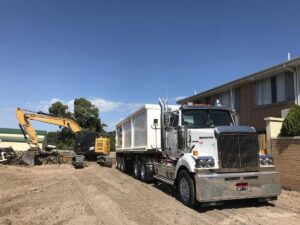
Imagine you’re standing on your Melbourne property, watching the excavator roll in, only to have a council officer pull up and halt the entire project because of a missing asbestos register. It’s a stressful scenario that can cost you thousands in delays and legal fees before the first brick even drops. Most homeowners and developers feel overwhelmed by the sheer volume of paperwork and the fear of hidden costs when looking for demolition services Victoria can rely on. You want the site cleared efficiently, but the anxiety of damaging a neighbour’s fence or facing council permit delays is a heavy burden to carry.
We understand that you need more than just heavy machinery; you need a clear roadmap to keep your project on track and under budget. This article will help you master the essential requirements of a Victorian pre-demolition report, ensuring your site clearing is completely legal and safe. We’ll walk through the must-have checks for hazardous materials, boundary protection, and council approvals so you can move forward with total peace of mind. By the end of this checklist, you’ll know exactly how to protect your investment and your workers from start to finish.
Key Takeaways
- Learn how the Building Act 1993 dictates your safety requirements and why a pre-demolition audit is essential for avoiding costly council fines.
- Understand the critical differences between friable and non-friable asbestos to accurately budget for demolition services Victoria projects often require in older suburbs.
- Protect yourself from legal disputes with neighbours by documenting property conditions through professional dilapidation reports before any excavation starts.
- Follow a clear checklist for utility abolishment and sewer capping to ensure your site is secure and ready for heavy earthmoving equipment.
- Discover how a professional team turns your report into a Safe Work Method Statement (SWMS) for a tidy, precision-cleared site.
Understanding the Pre-Demolition Report: Why It Is Non-Negotiable
A pre-demolition report is a comprehensive audit of a structure designed to identify hazards and structural risks before heavy machinery arrives. It goes far beyond a standard building inspection, which usually focuses on the liveability and cosmetic state of a home. Instead, this audit looks for everything that could go wrong during the teardown. In Victoria, this process is strictly governed by the Building Act 1993, which mandates safety standards for every site clearing. Without this document, you cannot secure a Section 29A demolition consent from your local Melbourne council. This consent is the legal green light that confirms your project doesn’t interfere with heritage overlays or local planning schemes.
Legal Requirements and Victorian Regulations
The Relevant Building Surveyor (RBS) plays a central role in the Melbourne permit process. They won’t issue a building permit for demolition until they’ve reviewed the findings of your hazardous materials report. Failing to produce this document isn’t just a paperwork error; it can lead to heavy WorkSafe Victoria fines or an immediate project shutdown. Modern building demolition practices require strict adherence to these Victorian regulations to ensure that hazardous dust or structural collapses don’t impact the public. Essentially, your report findings are the bridge to your final demolition permit approval. When you’re searching for demolition services Victoria can rely on, the first question a quality contractor will ask is whether your RBS has signed off on these details.
Liability and Safety: Protecting Your Investment
Beyond the legalities, this report serves as your primary insurance policy. If an unexpected site issue arises, having a documented baseline protects you from liability. It identifies “hidden” risks that a casual observer might miss, such as old septic systems or underground storage tanks frequently found on older properties in rural Victoria. Ensuring the site is fully vetted makes it safe for a professional residential demolition Melbourne team to operate. When you hire demolition services Victoria experts provide, they’ll use this report to plan every cut and scoop with precision. It’s about building a foundation of safety before the old structure even comes down, ensuring that neighbours and workers alike remain protected throughout the process.
The Asbestos and Hazardous Materials Audit
Victorian regulators presume every Melbourne home built before 1990 contains asbestos. It’s a standard starting point for any site assessment. Understanding the difference between friable and non-friable asbestos is vital because it directly impacts your project budget. Non-friable asbestos, like the sheets found in eaves or wet areas, is bonded and generally less expensive to remove. Friable asbestos is crumbly and easily becomes airborne; it requires extensive containment and significantly higher disposal costs. These details must be clearly documented to avoid unexpected price hikes mid-project.
Your hazardous materials register is the primary tool used by the team during the strip-out phase. It identifies not just asbestos, but also PCB capacitors in old lighting, synthetic mineral fibres (SMF) in insulation, and lead-based paint. Following the WorkSafe Victoria Demolition Compliance Code ensures that these materials are handled correctly to prevent site contamination. When you engage demolition services Victoria locals trust, this register becomes the blueprint for a safe, controlled removal process that protects both workers and the surrounding environment.
Asbestos Identification and Management
In Melbourne’s older suburbs, asbestos is commonly found in “weatherboards” and “brick veneers”. It often hides behind wall linings, in chimney flues, or under vinyl flooring. For commercial or industrial projects, a Division 6 audit is mandatory before work begins. A Division 6 audit is a destructive inspection required to find hidden hazardous materials. This deep dive ensures nothing is missed before the heavy machinery arrives, preventing the accidental release of fibres during the main structural teardown. Developers managing larger sites should also review our commercial demolition Melbourne reference guide for a detailed breakdown of the additional compliance requirements that apply to business and industrial properties.
Lead, Chemicals, and Environmental Contaminants
Heritage areas like Richmond or Hawthorn frequently feature lead-based paint. This requires specific disposal methods to avoid environmental harm and health risks to the neighbourhood. We also look for old fuel tanks or septic systems that could lead to soil contamination if ruptured. Identifying these early ensures the ground is safe for future excavation Melbourne services once the structure is gone. If you’re unsure about what’s hiding in your walls, reaching out for a professional site assessment is the best way to avoid nasty surprises and keep your project moving forward smoothly.
Structural Integrity and Adjoining Property Protection
While hazardous materials often grab the headlines, the physical impact on neighbouring structures is where many Melbourne projects hit a wall. In the tight streets of the inner-north or south-eastern suburbs, houses are frequently built right on the boundary line. This proximity means that a structural survey isn’t just a good idea; it’s a vital safeguard against “he-said-she-said” legal battles over new cracks in a neighbour’s driveway or brickwork. By documenting the condition of adjoining properties before any earthmovers arrive, you create a clear, factual baseline that protects your investment and your reputation.
Victorian landowners must navigate Part 7 of the Building Regulations 2018, which specifically covers the protection of adjoining property. This regulation ensures that any work on your site doesn’t compromise the stability of a neighbour’s land or buildings. Following the WorkSafe Victoria Demolition Compliance Code helps contractors manage these structural risks through thorough engineering investigations. Securing professional demolition services victoria residents rely on ensures these legal frameworks are respected, preventing costly delays or council-enforced shutdowns during the site clearing phase.
The Dilapidation Survey Process
A formal dilapidation report involves compiling detailed photographic evidence of existing cracks in footpaths, driveways, and neighbouring walls. This documentation is essential for your local council’s Asset Protection Permit application, as it proves which damage existed before your project began. At Diamond Earthmovers, we use these reports to plan precision demolition near boundary lines. Knowing the exact state of a shared fence or a nearby garage allows our team to adjust our approach, ensuring we use the right equipment for the job without risking vibration damage to the property next door.
Protecting Shared Infrastructure
Narrow Melbourne blocks often feature shared service lines or structural supports that require careful management. In some cases, heavy machinery isn’t appropriate, and we must perform manual demolition to protect shared chimneys or party walls. Protection work notices (Form 3 or 4) are often triggered by the findings in this report. These forms officially notify your neighbours of the steps you’re taking to keep their property safe. If you’re concerned about how close your project is to the house next door, contact our team for a site consultation to discuss how we can protect your boundaries during the clearing process.

The Ultimate Pre-Demolition Checklist for Homeowners
Before the first excavator bucket touches the soil, several practical site requirements must be ticked off to keep your project legal and safe. Even with the best demolition services victoria has to offer, a project can grind to a halt if utilities aren’t properly decommissioned. One of the most overlooked steps is sewer capping. You must ensure the “Vinnie”, or boundary trap, is professionally sealed. This prevents concrete slurry or rubble from entering the main sewer line, which can lead to massive repair bills from your local water authority. Additionally, significant trees on your property or nature strip often require Tree Protection Zones (TPZ). These fenced-off areas prevent root damage from heavy machinery during the clearing process.
Site Service Disconnections
There’s a major difference between a “meter pull” and full service abolishment. A meter pull simply removes the recording device, but the live wires or gas pipes remain connected to the mains. For a safe demolition, you need full abolishment. You cannot rely on a standard electrician to just “kill the power” at the board; the supply must be physically disconnected at the street. Victorian utility providers often require 20 or more business days to complete this process. Planning for this timeline early prevents your contractor from sitting idle while waiting for the grid to be cleared.
Environmental and Council Compliance
Meeting Melbourne Water and council requirements for runoff management is a non-negotiable part of site prep. Silt fencing and sediment controls must be installed to stop loose soil from entering the stormwater system. It’s also worth checking for heritage overlays one last time. Even if your report is clear, specific council restrictions might dictate how materials are handled. Getting these steps right sets a clean foundation for the next phase of your build, whether you’re planning for site cuts or installing rock retaining walls to manage your new landscape. You can find our local Melbourne service hub via this Google Map link to see our service coverage.
Navigating Your Project with Diamond Earthmovers
Once your pre-demolition report is finalised, the physical work begins. At Diamond Earthmovers, we don’t just view the report as a compliance hurdle; we use it as a blueprint for safety. Our family-owned team takes the data from your hazardous materials audit and structural survey to develop a site-specific Safe Work Method Statement (SWMS). This document ensures every member of our crew knows exactly how to handle your site’s unique challenges, from managing asbestos removal to protecting shared boundary walls. It’s this methodical approach that has made us a trusted name for demolition services Victoria residents rely on for precision and care.
Our local expertise in Melbourne soil conditions and Victorian council rules matters for your project success. We understand how the reactive clays of the western suburbs or the sandy loams of the south-east can impact structural stability during a teardown. By interpreting your report through the lens of decades of experience, we avoid the common pitfalls that lead to site delays or budget blowouts. We treat your property with the same respect we’d show our own, ensuring a smooth transition from an old structure to a clean, build-ready site. For properties with existing slabs, driveways, or pool structures, our approach to concrete demolition Melbourne services ensures these elements are removed safely and efficiently as part of the overall site clearing process.
The Diamond Earthmovers Difference
We believe a demolition site shouldn’t be a source of stress for you or your neighbours. Steve, Jayden, and Claire take personal pride in maintaining a methodical, tidy, and professional environment. While you focus on the design phase of your new build, we handle the heavy lifting and technical execution. Our commitment to high standards means we leave your site level and clear of debris. If you’d like to discuss your project in person, you can book a consultation to review your site at our Melbourne office.
Next Steps: Getting Your Quote
To provide a fixed and accurate quote, we need to review the findings of your pre-demolition report. This information allows us to account for all hazardous material disposal and structural protection requirements upfront, so there are no hidden surprises. Once we’ve reviewed your documents, we can organise the necessary graders and heavy gear for a professional site clearing. We also manage the transition to precision excavation and site cuts, ensuring your ground is perfectly prepared for the slab. Ready to start? Contact Diamond Earthmovers today to book your site clearing and get your project moving with a team that cares about the final result.
Start Your Melbourne Site Clearing with Confidence
Mastering the pre-demolition report is the most effective way to protect your budget and your neighbours. By addressing hazardous materials and structural risks early, you ensure your project stays on track and compliant with all Victorian regulations. When you look for demolition services victoria experts, you need a team that understands the local landscape and the importance of a clean, build-ready site. Taking these steps now prevents costly delays and legal disputes later.
Diamond Earthmovers is a family owned and operated business with deep roots in the Melbourne community. We provide full-service site preparation, taking you from the initial structural teardown through to precision excavation and the installation of rock retaining walls. It’s our goal to make you feel like your project is in safe, capable hands from the first consultation to the final site cut. We take pride in our workmanship and our commitment to helping local families build their future on a solid foundation.
We look forward to helping you clear the way for your next big project with precision and care.
Frequently Asked Questions
What is a pre-demolition report and why do I need one in Victoria?
A pre-demolition report is a mandatory safety and compliance audit required under the Building Act 1993. It identifies hazardous materials like asbestos and assesses structural risks before work begins. You need this document to secure a Section 29A demolition consent from your local Melbourne council. Without it, a Building Surveyor cannot issue the permit required for any structural teardown or site clearing project.
How much does a pre-demolition hazardous materials audit typically cost?
Costs for an audit vary depending on the age of the structure, its size, and the number of samples required for laboratory testing. A large heritage home in Hawthorn will require a more intensive investigation than a basic brick veneer unit. We recommend contacting a qualified consultant to get a specific quote for your property before you engage demolition services victoria experts to start the physical clearing.
Do I need a formal pre-demolition report for a small shed or garage?
Yes, if the structure requires a building permit for demolition, you generally need a report. Many older Melbourne outbuildings contain asbestos in the eaves, roofing, or wall linings. Council regulations usually require proof that these hazardous materials have been identified and will be managed safely. It’s always safer to have a professional assessment to avoid accidental contamination of your backyard soil during the removal.
How long does it take to get a pre-demolition report back from the consultant?
Most Victorian consultants deliver a completed report within five to ten business days after the site inspection. This timeframe allows for the physical walk-through and the necessary laboratory analysis of any material samples, such as suspected lead paint or asbestos. It is best to organise this audit as soon as you decide to demolish, as it is a prerequisite for your council permit application.
Is a standard asbestos survey the same as a comprehensive pre-demolition report?
No, they are different documents with different scopes. A standard asbestos survey only looks for asbestos, while a comprehensive pre-demolition report identifies all hazards, including lead, PCBs, and structural vulnerabilities. For commercial or industrial sites, you’ll specifically need a Division 6 audit. This is a destructive inspection that involves looking inside walls and cavities to find hidden hazardous materials that a standard survey might miss. If you’re managing a business or mixed-use property, our guide to commercial demolition Melbourne site clearing outlines the full scope of requirements for these more complex projects.
Can I legally perform my own pre-demolition inspection for a permit?
No, Victorian regulations require these inspections to be conducted by a “competent person,” which usually means a qualified occupational hygienist or a licensed asbestos assessor. Local councils and Building Surveyors won’t accept a self-certified report for a permit application. Using a professional ensures that all risks are legally documented, which protects you from liability if hazardous materials are discovered during the excavation phase.
What happens if the report identifies asbestos on my Melbourne property?
If asbestos is identified, it must be removed by a licensed professional before the main structure is knocked down. The report will categorise the material as either friable or non-friable, which dictates the level of containment required. Our team uses these findings to coordinate a safe removal process, ensuring all hazardous waste is transported to EPA-licensed facilities in accordance with the demolition services victoria compliance codes.
How do I submit the pre-demolition report to my local council for a permit?
You typically submit the report as part of your Section 29A application to your local council or directly to your Relevant Building Surveyor (RBS). Most Melbourne councils now use online planning portals for these submissions. Once the RBS confirms the report meets all safety standards, they will issue the building permit that allows the heavy machinery to move onto your site and begin the clearing process. If your site includes reinforced slabs, pathways, or other hardscaping, understanding the requirements for professional concrete demolition in Melbourne will help you plan this phase of the project correctly.