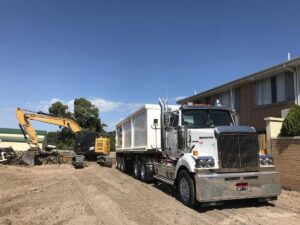
How Much Does House Demolition Cost in Melbourne? (Modern Guide)
It usually starts with a number that doesn’t feel certain
At some point, the question comes up.
You’re looking at the property, running through the numbers, trying to figure out whether the project makes sense.
And then it becomes unavoidable.
How much is it actually going to cost to demolish this house?
Because this isn’t a small expense. And unlike other parts of a build, it’s one of the first major costs you’ll face.
Why demolition costs in Melbourne aren’t always straightforward
On the surface, it seems simple.
A house gets knocked down, the site gets cleared, and you move on to the next stage.
But in practice, demolition costs can vary significantly across Melbourne.
Two properties that look similar from the outside can end up with very different price ranges once the details are fully understood.
That’s where most of the confusion begins.
What you can realistically expect to pay in Melbourne
For a standard residential demolition in Melbourne, costs typically fall within a broad range.
At the lower end, straightforward demolitions can start from around $15,000. These are usually smaller homes with easy access and minimal complications.
More commonly, standard house demolitions sit somewhere between $20,000 and $40,000, depending on the size, structure, and location of the property.
Once additional factors come into play—such as asbestos, restricted access, or more complex builds—costs can move beyond $50,000.
And in some cases, significantly higher.
Why the first quote is rarely the final cost
This is one of the biggest surprises for homeowners.
Initial quotes are usually based on what’s visible at the time. They assume straightforward conditions, standard materials, and no major complications.
But demolition projects rarely stay that simple.
As work progresses, more details come to light. Materials are identified. Site conditions become clearer. Additional requirements are introduced.
Each of these can shift the final cost.
What actually drives demolition pricing
There isn’t a single factor that determines the cost.
It’s usually a combination of variables working together.
The size of the property plays a role, but access is often just as important. A site that’s easy to reach is far simpler—and cheaper—to demolish than one with tight boundaries or limited entry points.
The structure itself also matters. Different materials require different approaches, which can affect both time and cost.
And then there are the unknowns—the things that only become clear once inspections are completed.
The cost factor that changes everything
For many properties across Melbourne, one factor has a major impact.
Asbestos.
If it’s present, it must be removed before demolition can begin. This isn’t optional, and it requires specialised handling and strict compliance.
In some cases, asbestos removal adds a few thousand dollars. In others, it can significantly increase the overall cost.
Because it’s not always visible at the beginning, it’s one of the biggest reasons demolition costs shift.
Why location within Melbourne matters
Not all demolition jobs in Melbourne are priced the same.
Inner suburbs often come with tighter access, stricter council requirements, and higher labour costs. This can increase both the complexity and the price.
Outer suburbs may offer easier access and fewer restrictions, but site conditions can still vary.
This is why two properties within the same city can still have very different demolition costs.
What’s actually included in a demolition quote
When reviewing a quote, it’s important to understand what’s being covered.
Some demolition quotes include the full process—teardown, site clearing, and waste removal.
Others only include the demolition itself, with additional costs for clearing, disposal, or preparation.
At first glance, two quotes might look similar. But what’s included can make a significant difference to the final cost.
The hidden costs that catch people off guard
This is where budgets tend to shift.
Beyond the main demolition work, there are additional costs that don’t always appear upfront.
Asbestos removal is one of the most common. Waste disposal can also add up, especially when materials need to be sorted or handled separately.
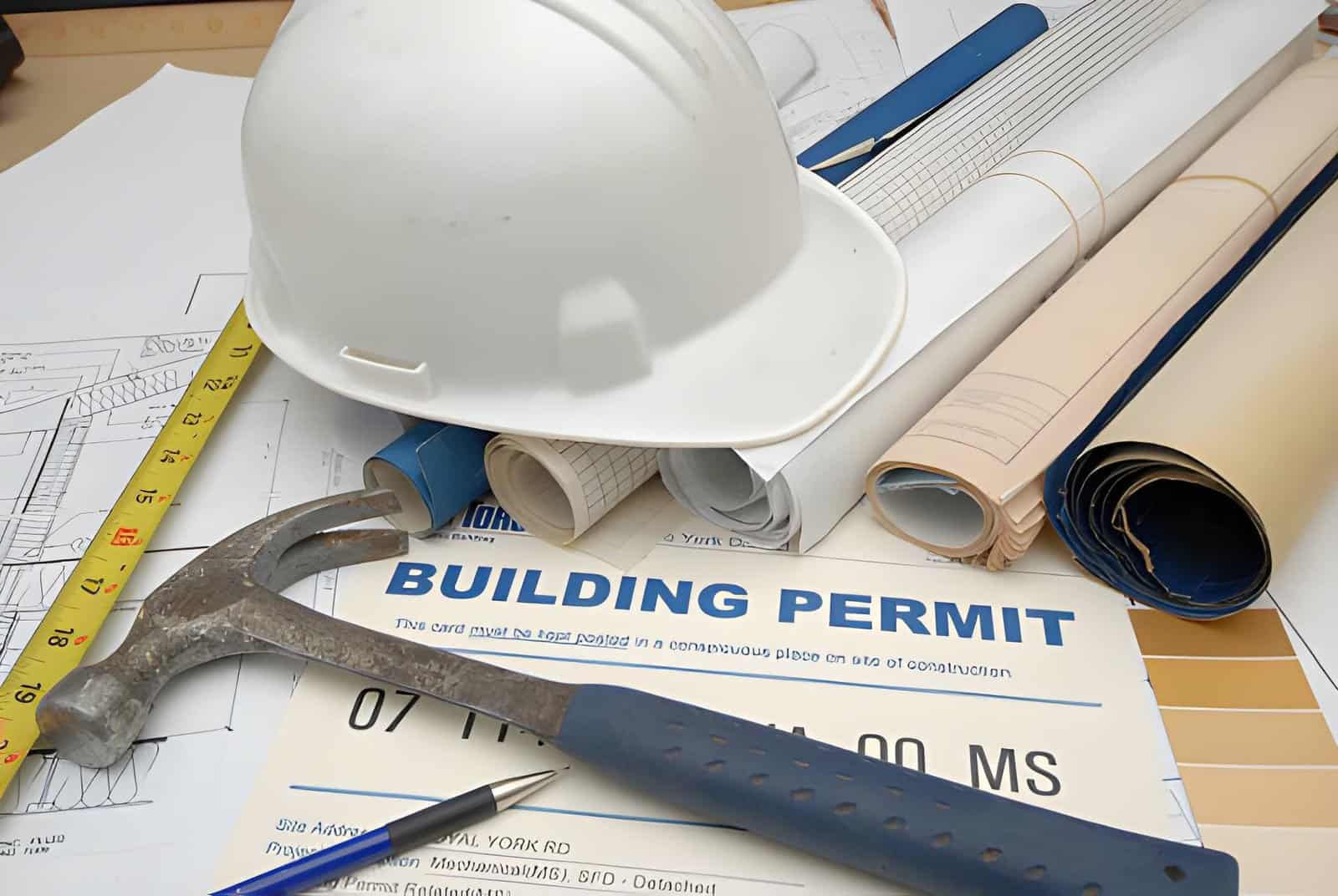
There can also be additional requirements, such as engineering reports, permits, or site preparation work.
These are the costs that rarely show up first, but often have the biggest impact on the final number.
The hidden costs that catch people off guard
This is where budgets tend to shift.
Beyond the main demolition work, there are additional costs that don’t always appear upfront.
Asbestos removal is one of the most common. Waste disposal can also add up, especially when materials need to be sorted or handled separately.
There can also be additional requirements, such as engineering reports, permits, or site preparation work.
These are the costs that rarely show up first, but often have the biggest impact on the final number.
Why similar demolitions can end up with very different prices
From the outside, two properties might appear almost identical.
But once the details are understood, the differences become clear.
One may have easy access, no hazardous materials, and straightforward conditions. The other may involve asbestos, restricted entry, or additional compliance requirements.
That’s why demolition pricing can vary so much, even when projects seem similar at first glance.
How to avoid unexpected demolition costs
While you can’t control every variable, you can reduce uncertainty.
Getting a proper inspection early helps identify potential issues before they affect your budget.
Understanding site conditions upfront prevents surprises once work begins.
And working with experienced contractors increases the likelihood that problems are identified early rather than discovered mid-project.
It doesn’t eliminate every risk, but it gives you more control over the outcome.
The difference between a clear budget and a moving target
Demolition costs don’t usually increase without reason.
They change when details are missed, when assumptions replace proper checks, or when unexpected factors aren’t accounted for.
Most of the time, it comes back to preparation.
The more you understand before the project begins, the more predictable the final cost becomes.
If you’re planning a demolition in Melbourne
The cost matters—but so does how you approach it.
Looking at a single number won’t give you the full picture. Understanding what drives that number is what allows you to plan properly.
It won’t remove every variable, but it reduces the chances of being caught off guard.
Frequently Asked Questions

Frequently Asked Questions
What is the average cost to demolish a house in Melbourne?
Most residential demolitions fall between $20,000 and $40,000. Smaller projects can start around $15,000, while more complex jobs can exceed $50,000.
Does asbestos increase demolition costs?
Yes. If asbestos is present, it must be removed before demolition begins. This can add several thousand dollars or more depending on the extent.
Why do demolition quotes vary so much in Melbourne?
Costs vary due to factors like property size, site access, materials, location within Melbourne, and hidden conditions such as asbestos.
Is demolition more expensive in inner Melbourne suburbs?
In many cases, yes. Tighter access, stricter regulations, and higher labour costs can increase the overall price.
What’s usually not included in a demolition quote?
Additional costs can include asbestos removal, waste disposal, engineering reports, permits, and site preparation work.
Need a clear demolition quote in Melbourne?
Diamond Earthmovers provides realistic pricing based on actual site conditions, not just assumptions.
If you’re planning a demolition, getting clarity early can make a significant difference.
Continue reading
Before moving forward, it’s important to understand approvals and legal requirements.
See Article 3: Do You Need a Permit to Demolish a House in Melbourne? (Modern Guide)