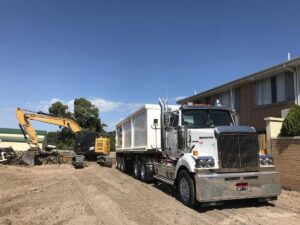
The most expensive part of your horse arena isn’t the premium sand you ride on; it’s the complex engineering buried beneath the surface. For many Victorian property owners, the dream of a private riding space often turns into a muddy nightmare when the first heavy rains hit our notorious reactive clay soils. Understanding the true horse arena construction cost melbourne is about more than just comparing quotes. It’s about ensuring your investment doesn’t end up as a boggy paddock that’s unusable for half the year.
We understand that choosing between sand, fibre, or rubber footing is confusing, and the fear of poor drainage is a genuine concern for every equestrian. At Diamond Earthmovers, we believe in transparency and high standards, which is why we’ve put together this complete 2026 buying guide. You’ll get a clear breakdown of the factors influencing costs, from site preparation and permits to the precision grader hire required for a level finish. Whether you’re based near our Melbourne base or further into rural Victoria, this guide provides the clarity needed to consult with a specialist and build a facility that stands the test of time and weather.
Key Takeaways
- Learn why the sub-surface drainage system is the most critical investment for ensuring your arena remains rideable during Melbourne’s wet winters.
- Understand how to accurately budget for your project by identifying the factors that drive the horse arena construction cost melbourne.
- Discover how to choose between “Crowned” and “Single Fall” drainage designs to properly manage Victoria’s reactive clay soils.
- Navigate the dual permit requirements for building equestrian facilities in Greater Melbourne and learn how to reduce transport costs using local materials.
- Recognise why precision grader hire and specialist earthmoving expertise are essential for achieving the exacting levels required for a professional finish.
Understanding Horse Arena Construction Costs in Melbourne
A professional horse arena in the 2026 Victorian market is far more than just a fenced-off patch of sand; it’s a high-performance civil engineering project. Whether you’re building an outdoor arena or a covered Riding hall, the goal is a surface that remains stable, level, and safe for your horse. Cutting corners with a “cheap” build often leads to a “boggy” mess that requires expensive remediation within a few years. In many cases, these repairs end up costing double the original savings, making the initial horse arena construction cost melbourne a critical investment in long-term value.
Melbourne’s climate presents unique challenges for equestrian facilities. We experience high rainfall variability, which means your arena must drain effectively during a winter deluge while remaining stable during a dry summer. To get the best result, we categorise the project into four primary cost pillars: precision earthworks, integrated drainage systems, a high-quality compacted base, and the final riding surface. Each pillar must be executed correctly to ensure the facility remains rideable year-round.
Why “Price per Square Metre” Can Be Deceiving
Many owners start their journey by asking for a flat rate per square metre, but this rarely tells the whole story. Your site’s slope and accessibility drastically change the excavation requirements. A standard 20x60m arena built on a gentle 2% slope requires significantly less earthmoving and retaining than the same arena positioned on a 10% slope. Furthermore, the reactive clay soils found in many of Melbourne’s outer suburbs expand and contract with moisture. This requires specialised site preparation to prevent the base from shifting or cracking, which a generic “per metre” quote often ignores.
The Long-Term Value of Professional Earthmoving
Investing in professional earthmoving pays dividends in reduced maintenance and better horse welfare. Superior initial compaction ensures the base doesn’t develop soft spots or “holes” that can lead to serious tendon or joint injuries. At Diamond Earthmovers, we utilise precision grading equipment to ensure every centimetre of your arena is level and at the correct depth. This consistency is what keeps your facility rideable in all conditions. If you’re ready to discuss your specific site conditions, you can visit our Melbourne location or contact our team for a detailed consultation.
Breaking Down the Budget: Key Cost Drivers
Budgeting for an arena requires a clear distinction between fixed and variable expenses. While material prices are relatively stable, your specific site conditions dictate the final horse arena construction cost melbourne. A 20x40m arena is the standard for private use, but jumping up to a 20x60m competition size increases material volume by fifty per cent. This isn’t just about ordering more sand. It means more sub-base rock, additional drainage piping, and more hours for the earthmoving team to achieve a perfectly level finish.
We always recommend “wet hire” for these projects. This means hiring the machine with a skilled operator who understands the nuances of equestrian levels. Precision is everything in an arena. A general excavator might be great at digging a hole, but they often lack the finesse required for the millimetre-perfect levels needed for equestrian surfaces. A mistake at the base layer can lead to uneven footing that potentially injures your horse, making the operator’s expertise just as important as the machinery itself.
Don’t forget the “invisible” costs that can catch property owners off guard. Council permits in Greater Melbourne can range from $1,000 to over $10,000 depending on your specific zone and Bushfire Attack Level (BAL) ratings. Spoil removal is another significant factor. If you can’t use the excavated dirt for a new dam or to level a paddock elsewhere on your property, tipping fees and haulage costs will add up quickly. Planning for these early ensures there are no surprises midway through the build.
Site Preparation and Excavation
A professional build starts with a clean site cut. We strip away all organic topsoil because it holds moisture and eventually causes the base to fail. Laser-guided levelling is non-negotiable here. By using a specialised grader hire service, we achieve a consistent 1% fall across the entire surface. This ensures water moves off the arena without washing away your expensive footing or creating dangerous soft spots. It’s a technical process that requires a steady hand and the right equipment.
Base Materials and Surface Selection
In Victoria, most bases use a compacted layer of crushed rock or limestone. The choice often depends on what’s available from local quarries to keep transport costs down. For the top layer, arena footing material selection is a science. You might choose local river sand for a budget-friendly option or high-performance wax-coated fibres for a professional feel. If you’re unsure which material suits your discipline, it is worth chatting with our team about what works best in Melbourne’s unique conditions.
The Foundation of Value: Site Preparation and Drainage
While the surface footing is what you see, your drainage system is what you actually pay for. It is the single most important factor in your horse arena construction cost melbourne. Without a proper exit strategy for water, your expensive sand will eventually wash away or turn into a slurry. We typically choose between a “Crowned” design, where the centre is slightly higher to shed water to both sides, or a “Single Fall” design that follows the natural slope of the land. Both require precision grading to work effectively and keep the surface firm.
A common mistake is building the arena in a way that creates a “bathtub effect”. This happens when water enters the arena but has no way to escape the sub-surface layers, causing the base to soften. To prevent this, we install sub-surface ag-drains. These are trenches filled with aggregate and perforated piping that draw moisture away from the base. We also lay a heavy-duty geotextile membrane between the compacted rock and the riding surface. This fabric acts as a permanent barrier, preventing your premium sand from mixing with the base rock over time and preserving the integrity of your footing.
Managing Melbourne’s Reactive Clay
Standard excavation isn’t enough when dealing with the heavy, reactive clays found in the Yarra Valley or the Mornington Peninsula. These soils swell when wet and shrink when dry, which can buckle a poorly prepared base. We focus on rigorous compaction testing during the build to ensure the sub-grade is rock-solid. Soil stabilisation techniques are often necessary to create a foundation that won’t shift as the seasons change. This level of care is what separates a professional build from a quick paddock cut.
Trenching and Water Runoff Solutions
We also look at the bigger picture of your property. Designing swale drains around the arena perimeter protects the riding area from paddock runoff during heavy storms. This water can be cleverly diverted into existing dam or tank systems, which is a service we often integrate for our rural clients. It’s a smart way to manage water resources while protecting your investment. You can contact the Diamond Earthmovers team to discuss your site’s specific drainage needs or visit us at our Melbourne office to see how we plan these systems.

Melbourne-Specific Considerations for Your Arena
Building an arena in Melbourne requires a deep understanding of local geography and regulation. Regional factors like soil type and specific council zones directly impact the horse arena construction cost melbourne. For instance, properties in Nillumbik or the Yarra Ranges often face stricter environmental overlays than those in more urbanised areas. You also need to consider site access. Semi-rural residential zones can have narrow gates or weight-limited bridges that make delivering heavy earthmoving equipment a logistical puzzle. We always assess these factors early to ensure the project stays on track.
Council Permits and Environmental Regulations
In Victoria, you often need two separate approvals: a building permit for the structure and a planning permit for the land use. Local councils are particularly focused on dust management and sediment runoff during the construction phase. If your property is in a Green Wedge Zone, expect more scrutiny regarding how the arena affects the landscape. Your site plan must respect local vegetation and overlays, such as Significant Landscape Overlays (SLO), which can dictate where you are allowed to dig or clear land.
Sourcing Quality Local Aggregates
Transport is often the “hidden” budget killer in Victorian earthworks. Sourcing aggregates from local quarries reduces haulage distances and keeps your total spend down. While virgin rock is the gold standard for bases, some owners use recycled crushed concrete as a cost-effective alternative. However, you must ensure it is high-quality and free from contaminants like glass or plastic. Because haulage costs are calculated by the hour or kilometre, choosing a quarry near our Melbourne base or your property is a strategic move.
Timing your project is also essential for a smooth build. Late spring and early autumn provide the best conditions for earthworks in Victoria. During these windows, the soil is dry enough to move but still holds enough moisture for perfect compaction. We generally advise against major site cuts in the peak of winter, as Melbourne’s rain turns reactive clay into a slurry that is impossible to grade with precision.
Partnering with a Specialist Melbourne Earthmover
Choosing the right team to break ground on your property is the final, most critical step in your project. While a general excavator might be suitable for a simple site cut or a driveway, an equestrian arena requires a level of finesse that only comes with specialised experience. A mistake of just a few millimetres in the base layer can create pooling water or uneven footing, which eventually compromises your horse’s safety. When you look at the total horse arena construction cost melbourne, the value of a specialist operator becomes clear; they ensure the job is done once, and done right.
At Diamond Earthmovers, we approach every project with the pride and accountability of a family-run business. We don’t just provide a machine; we provide a solution-oriented partnership. Our team understands how Melbourne’s reactive clay soils behave and how to manage the unique terrain of the Yarra Valley or the Mornington Peninsula. We focus on building trust through transparency, providing detailed quotes that account for every factor from drainage to final surface compaction. You can find our Melbourne location here if you would like to discuss your project in person.
Our Precision Equipment and Operator Expertise
The secret to a competition-grade finish lies in the machinery and the person behind the controls. Our specialised fleet includes precision graders, which are essential for achieving the exacting levels required for high-level dressage or jumping. Because we also specialise in complex projects like dam builds and large-scale excavation, we bring a higher level of civil engineering knowledge to your arena. We are committed to leaving your property tidy and functional, ensuring your new facility is ready for its first ride as soon as we move our equipment off-site.
Start Your Arena Project Today
Preparing for your first consultation is straightforward. It’s helpful to have a rough idea of your preferred arena dimensions, your primary riding discipline, and any known access issues for heavy machinery. We treat your land as if it were our own, offering honest advice on how to get the most value from your investment. Our goal is to see you riding on a safe, durable surface that enhances your property for years to come. Whether you’re in the early planning stages or ready to start digging, we’re here to guide you through the process step-by-step.
Investing in Your Equestrian Future
Building a facility that lasts requires a shift in perspective; you aren’t just buying a surface, you’re investing in the civil engineering beneath it. By prioritising robust drainage and a stable base, you protect your horse’s health and avoid the hidden traps that often inflate the horse arena construction cost melbourne. Remember that Melbourne’s reactive clay demands a specialist touch and a site-specific plan that respects local council overlays and seasonal weather patterns.
As a family owned and operated business, Diamond Earthmovers is dedicated to helping you achieve a professional result through precision grader hire and honest, local expertise. We take pride in treating every property with the same care as our own. You can find our depot here: Diamond Earthmovers on Google Maps to see where we operate or to plan your next site visit.
We look forward to helping you build a facility where you and your horse can perform at your best for many years to come.
Frequently Asked Questions
How much does a standard 20x60m horse arena cost in Melbourne?
The total horse arena construction cost melbourne for a 20x60m facility is determined by your site’s specific topography and soil quality. A flat site with good drainage requires far less excavation than a sloped block with heavy reactive clay. You also need to budget for material transport and the quality of your top dressing. Because every property is different, we recommend a site consultation to get an accurate figure for your land.
Do I need council approval to build a horse arena on my Victorian property?
Most Victorian properties require both a planning permit and a building permit before construction begins. Local councils in Greater Melbourne, particularly in the Yarra Ranges and Nillumbik, have strict rules regarding land use and environmental protection. These permits ensure your arena doesn’t negatively impact local drainage or native vegetation. It’s best to check with your specific council’s planning department early to understand the overlays that apply to your particular property or Green Wedge zone.
What is the best surface for a horse arena in Melbourne’s climate?
The ideal surface depends on your riding discipline and how much maintenance you can realistically manage. Many Melbourne owners choose a high-quality local river sand because it handles our variable rainfall well when paired with a solid base. If you’re training at a competition level, you might consider adding synthetic fibres to improve stability and shock absorption. Whatever you choose, the surface must work in harmony with your sub-surface drainage to prevent bogginess during winter.
How long does the construction process usually take from site cut to finish?
A professional arena build typically takes between two and four weeks to complete from the initial site cut. This timeframe depends heavily on the weather and the complexity of your site’s drainage requirements. We start with the precision excavation and base preparation, followed by the installation of ag-drains and the final footing. We always aim to work during late spring or early autumn to ensure the soil conditions are perfect for achieving maximum compaction and stability.
Can I use my own farm tractor to level the arena base?
While it’s tempting to use a farm tractor, it rarely achieves the millimetre-perfect levels required for a safe riding surface. Professional grader hire is essential because these machines use laser-guided technology to create a consistent fall for water runoff. A standard tractor lacks the weight and precision to compact the base layers correctly. Using the wrong equipment often leads to soft spots and uneven footing, which can cause long-term soundness issues for your horses.
Why is my horse arena holding water after rain?
Water pooling is usually a sign that your drainage system has failed or the arena base wasn’t graded with a proper fall. If the water has nowhere to escape, the moisture sits in the sub-layers and softens the foundation. This often happens when organic material builds up on the edges or when the initial earthworks lacked precision. Professional site assessment is usually the best way to identify if you need new ag-drains or perimeter clearing to restore performance.
What is the difference between a “base” and a “sub-base”?
The sub-base is the natural earth or “sub-grade” that we level and compact before adding any materials. In contrast, the base is the engineered layer of crushed rock or limestone that sits on top of that raw earth. The sub-base provides the overall shape and fall of the arena, while the base provides the hard, stable platform for your riding surface. Both layers must be perfectly compacted to prevent the arena from shifting or sinking over time.
How do I maintain my arena to ensure the surface lasts for years?
Consistent maintenance is the secret to a long-lasting arena. To keep your surface in top condition, you should follow these steps:
- Harrow the surface regularly to prevent the footing from compacting.
- Keep the perimeter clear of grass and debris so water flows freely.
- Water the surface during dry spells to maintain footing integrity.
Regularly checking the fall ensures your drainage continues to perform as designed during heavy Victorian rain. Proper care preserves your investment and protects your horse’s joints.