Did you know that nearly a quarter of farm dams across Australia have experienced some form of failure, with many of these issues stemming from structural weaknesses hidden deep within the embankment? When you notice your water levels dropping during a dry Victorian summer, it’s easy to blame the heat, but the reality might be a more serious issue with your dam’s earthwork. We agree that watching your most precious resource disappear is a stressful experience, particularly when you’re worried about the potential for a wall collapse or the uncertainty of repair costs.
We believe that your dam should be the lifeblood of your property, not a source of constant anxiety. This article will help you learn how to distinguish between natural evaporation and structural leaks while understanding the critical role of professional earthwork in Victorian dam maintenance. We’ll provide a clear way to test for leaks, explain the common reasons why dams fail in our local clay and soil types, and help you identify when it’s time to partner with a reliable expert to secure your water storage for years to come.
Key Takeaways
- Learn how to distinguish between natural evaporation and a structural leak by identifying visual cues like boggy patches or unusually lush vegetation behind your dam wall.
- Understand why professional earthwork is essential for Victorian dams, focusing on the specific compaction techniques and clay liners needed for a watertight finish.
- Discover the science of “Optimum Moisture Content” and why the right soil conditions are the difference between a successful build and a failing dam.
- Explore structural repair strategies, including how “benching” into an existing wall creates a permanent bond for long-term water security.
- Gain the confidence to decide whether your dam requires a targeted patch or a complete wall rebuild to prevent a future collapse.
What is Dam Earthwork and Why Does Quality Matter?
Earthwork in a rural context is far more than just pushing dirt around with a dozer. While general excavation might focus on levelling a site for a shed or a driveway, structural earthwork for dams involves the precise manipulation of soil to withstand immense hydraulic pressure over many decades. Dam earthwork is the precision engineering of soil to create impermeable barriers. Without this focus on structural integrity, a dam is simply a hole that loses water rather than a reliable asset for your property.
One of the most vital components we focus on during construction or repair is the keyway. Think of the keyway as the foundation of your dam wall. We dig a trench along the centreline of the bank, cutting deep into the impervious subsoil, and then backfill it with high-quality, compacted clay. This process effectively “plugs” the area beneath the wall. It prevents water from seeping under the bank, which is a common cause of walls washing away from the bottom up.
The Anatomy of a Well-Built Dam
A reliable Embankment dam depends on several non-negotiable features working in harmony. First is the batter, or the slope of the walls. If the batter is too steep, the soil will eventually slump into the water or erode during heavy Victorian downpours. We also prioritise the spillway, which acts as your dam’s primary safety valve. A spillway must be wide and clear enough to direct excess water away safely without eating into the main wall. Finally, we ensure there is adequate freeboard, which is the distance between the maximum water level and the top of the wall, to prevent waves from overtopping and causing a breach.
Common Earthwork Failures in Victoria
Most failures we see across Victorian properties aren’t caused by bad luck, but by shortcuts during the initial earthwork phase. Poor compaction is a major culprit, leading to “piping.” This is where tiny streams of water tunnel through the wall and transport soil particles out, a process that accounts for roughly 46% of all embankment dam failures globally. We also see issues when organic matter, like tree roots or topsoil, is mixed into the wall. As this material rots, it leaves behind voids that water will inevitably find. Proper site clearing before the first cut is essential to ensure the new clay bonds perfectly with the natural ground.
Is Your Dam Leaking? How to Identify the Signs
Watching your water levels drop during a scorching Victorian summer is enough to make any property owner uneasy. It’s often difficult to tell if you’re simply losing water to the sun or if there’s a serious flaw in your dam’s structural earthwork. While evaporation is a natural part of the water cycle, a structural leak is an active threat to your investment. Distinguishing between the two requires a mix of keen observation and simple, methodical testing.
The most obvious visual cues aren’t always found in the water itself, but on the dry land surrounding it. Look for unusually lush, green vegetation or boggy patches on the downstream side of the wall. If the rest of your paddock is brown but the area behind the dam is thriving, water is likely escaping through the embankment. Property owners often find it helpful to use a Dam Owner Assessment Checklist to track these changes over time.
Visual Indicators of Structural Distress
Keep a close eye on the physical state of the wall’s crest and batters. Desiccation cracks, which appear as deep fissures in the clay during dry spells, can allow the next heavy rain to penetrate deep into the wall, causing internal erosion. Slumping or small sinkholes near the water line are also red flags that the soil is shifting. If you notice turbid or muddy water in the runoff areas below your dam after rain, it’s a sign that your earthwork is losing material and the wall is actively failing. If your results suggest a leak, you can chat with our team for a professional assessment.
The Bucket Test: Step-by-Step
To move beyond guesswork, you can perform a simple DIY “Bucket Test” to measure evaporation against actual loss. This test works best over a 48-hour period when no rain is forecast. Follow these steps for an accurate reading:
- Fill a large plastic bucket with water and place it on a flat area at the dam’s edge, partially submerged if possible to keep temperatures consistent.
- Mark the water level inside the bucket and the water level of the dam on a fixed stake.
- After 48 hours, measure the drop in both the bucket and the dam.
If the dam level has dropped significantly more than the bucket level, you’re dealing with a leak rather than evaporation. A difference of just 10mm might seem minor, but across a large surface area, that represents a loss of thousands of litres of precious water that should be staying in storage for your livestock or gardens.
The Science of Soil: Compaction and Clay Liners
While many property owners think any dirt will do for a dam wall, we know that success depends entirely on the specific properties of the soil used. In Victoria, clay is the gold standard for structural earthwork because its fine particles create a nearly impenetrable barrier when handled correctly. However, simply having clay isn’t enough; you must achieve what we call “Optimum Moisture Content.” If the soil is too dry, the particles won’t slide together. If it’s too wet, you’re just moving mud. Compaction must be done in thin lifts to ensure no air pockets remain. We typically use sheep-foot rollers for this task because their specialised “feet” punch into the soil, tamping the new layer into the one below to create a seamless, solid mass.
Victorian Soil Profiles: Clay vs. Dispersive Soil
Not all Victorian soil is created equal. We often encounter dispersive soils, which might look like good clay but actually dissolve when they come into contact with water. This leads to rapid tunnelling and wall failure. If your property has sandy or rocky patches, we don’t just hope for the best. We either source high-quality clay from elsewhere on the site or use bentonite, which is a specialised volcanic clay that expands when wet, to seal those difficult areas and provide a secondary line of defence against leaks.
Why Compaction is Non-Negotiable
Water is heavy and persistent. Under pressure, it will always find the path of least resistance through loose or poorly layered soil. A common mistake we see is dry compaction during summer earthwork projects. Without adding water to reach that optimum moisture level, the soil stays “fluffy” and full of air. When the autumn rains finally arrive, the wall settles unevenly, which often leads to cracks or leaks that are expensive to fix later. Using professional earthmovers and excavators ensures each layer is spread evenly before the roller goes over it, leaving no weak spots for water to exploit.

Professional Repair Strategies for Dam Leaks
Once you’ve confirmed a leak, the next step is determining the scale of the fix. It’s a common misconception that you can simply dump a few loads of clay over a wet patch and hope for the best. Without proper structural earthwork, new soil won’t bond to the old, and the water will eventually push through the loose fill. We assess whether a targeted patch is viable or if the integrity of the entire embankment is compromised, requiring a partial or full wall rebuild to ensure long-term safety. During these repairs, managing water bypass is critical. We often set up temporary drainage or pumps to keep the work area dry, as you can’t achieve proper compaction in standing water.
Benching and Keying: The Right Way to Repair
Successful repairs rely on a process called benching. We cut a series of steps into the existing dam wall to create a “staircase” effect. This increases the surface area for bonding and allows our machines to compact new, high-quality clay directly into the old structure. We also ensure the new keyway reaches down into the impermeable subsoil layers, effectively resetting the dam’s foundation. If the leak is coming from the dam floor rather than the wall, we might install a new clay blanket. This involves spreading and compacting a fresh layer of clay across the entire base to seal off porous rocky or sandy patches that are allowing water to drain away into the water table.
Preventative Maintenance Earthworks
Proactive care is always more cost-effective than emergency repairs. Desilting is a vital part of this process; removing built-up sediment from the floor restores your storage capacity and prevents the dam from becoming a shallow swamp. Removing sediment isn’t just about depth; it’s about removing the nutrient-rich sludge that encourages excessive weed growth, which can further impede your dam’s function. We also focus on reinforcing spillways with rock rip-rap to prevent erosion during heavy Victorian rains. Finally, we recommend controlling livestock access. While it’s tempting to let cattle drink directly from the dam, their hooves can quickly destroy the bank’s profile and create paths for water to escape. Investing in these maintenance earthwork strategies now saves you from the stress of a catastrophic wall failure later.
Trusting Your Project to Diamond Earthmovers
Choosing a contractor for your property’s earthwork is a significant decision that impacts your land’s value and safety for decades. At Diamond Earthmovers, we approach every project with the same care and precision we would apply to our own property. As a family-owned and operated business, we’ve built our reputation on being reliable local experts who prioritise quality workmanship over high-volume turnover. Whether you’re dealing with a failing dam wall or planning a new water storage project, our team brings a wealth of experience in navigating the complex challenges of Victorian terrain.
The Diamond Family Difference
When you work with us, you aren’t dealing with a faceless corporation. You’ll have direct communication with Steve, Jayden, or Claire throughout the entire project. This personal accountability ensures that nothing is lost in translation and that every detail of your dam repair or construction meets our high standards. We focus on long-term structural integrity rather than quick, temporary fixes that might fail after the next big rain. Our deep understanding of Melbourne’s unique geological and soil conditions allows us to select the right materials and compaction techniques for every site, ensuring your investment stands the test of time.
Organising Your Site Assessment
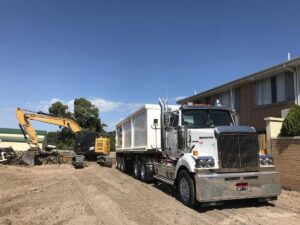
We believe that every successful project starts with a thorough understanding of the ground we’re working on. Our initial site assessment is designed to identify the exact source of a leak or the best location for a new build. We don’t just look at the surface; we evaluate the drainage patterns, soil types, and existing structural health to develop a tailored earthwork plan. This methodical approach ensures that we address the root cause of any issues, saving you from the cost of repeated repairs. Our specialised fleet of earthmovers and excavators for professional site preparation allows us to execute these plans with surgical precision, even on difficult or sloping sites.
We take immense pride in serving our local community from our Melbourne office location, providing professional earthmoving services across the greater Victorian region. If you’re concerned about your dam’s water levels or ready to start a new project, we’re here to provide the expert guidance you need. You can Contact the team at Diamond Earthmovers today for an obligation-free quote and a clear path forward for your property.
Securing Your Property’s Water Future
Maintaining a healthy dam is about more than just watching the water line. It requires a proactive eye for visual cues like boggy patches and an understanding of how Victorian soil interacts with hydraulic pressure. By using the bucket test to rule out evaporation, you can identify structural issues before they lead to a full embankment breach. A reliable dam is built on the foundation of quality materials and methodical construction.
Relying on precision earthwork and proper clay compaction is the only way to ensure your water storage remains a long-term asset rather than a liability. The Diamond family is here to guide you through this process, bringing our specialised knowledge of local terrain and expertise in precision grading to every site. We take pride in helping Victorian property owners protect their most valuable resource with structural repairs that actually hold.
Don’t let a small leak become a major headache for your property. We’re ready to help you secure your dam with the expert care and personal touch your land deserves.
Frequently Asked Questions
How much water loss is normal for a dam in Victoria during summer?
Evaporation can account for 1 to 2 metres of water loss annually in Victoria, with the highest rates occurring between December and March. On a hot, windy day in Melbourne, you might see several millimetres disappear from the surface. If your levels drop faster than local evaporation averages, or if you lose more than 10mm in a few days without livestock usage, it’s a strong sign of a structural issue.
Can I fix a leaking dam by just adding more dirt to the wall?
Simply dumping loose soil onto a leak won’t solve the problem because the water will eventually wash away the uncompacted material. Effective dam earthwork requires cutting into the existing wall to create a clean bond between the old and new layers. Without this benching process, you’re just creating a weak point where water pressure will find a path of least resistance, potentially leading to a more expensive failure later.
What is the best time of year to perform dam earthworks in Melbourne?
Late summer and early autumn are generally the best times for dam projects across Victoria. During this window, water levels are typically at their lowest, allowing better access to the dam floor and the internal batters. It’s also easier to manage moisture content in the clay during these months. We aim to complete this earthwork before the heavy winter rains arrive, ensuring the new structures have time to stabilise.
Does a leaking dam always require a full rebuild or can it be patched?
Not every leak requires a total rebuild, but the solution depends on the location and severity of the failure. If the leak is confined to a specific section of the wall, a targeted repair using benching and a new keyway is often sufficient. However, if the entire wall shows signs of piping or structural instability, a full rebuild is the safer choice. We assess each site individually to find the most practical fix.
How do I know if my soil is suitable for a clay liner or needs additives?
You can perform a simple field test by squeezing a moist handful of soil; if it forms a tight ribbon that doesn’t crumble, it likely has high clay content. However, Victorian properties often have dispersive soils that look like clay but dissolve in water. We conduct thorough site assessments to determine if your soil is suitable or if we need to incorporate additives like bentonite to create a reliable, impermeable seal.
What equipment is needed for professional dam repairs and desilting?
Professional dam maintenance requires a specialised fleet to achieve the necessary compaction and precision. We typically use the following machinery:
- Large excavators for desilting and cutting keyways
- Graders for shaping batters and spillways
- Sheep-foot rollers for high-pressure clay tamping
Using the right machinery ensures the job is done efficiently and to a high structural standard that prevents future leaks.
Do I need a permit for dam earthworks on my Victorian rural property?
Permit requirements vary depending on your local council and the specific Catchment Management Authority (CMA) in your part of Victoria. Minor repairs often don’t require formal approval, but larger projects or those involving waterway diversions usually do. You should check with your local authorities before starting any major project to ensure you’re compliant with Victorian water regulations. We can help guide you through these local requirements during our assessment.
How long does a professional dam repair typically take to complete?
The duration of a repair depends on the dam’s size and the complexity of the leak, but most projects are completed within three to seven days. Desilting a standard farm dam might take only a couple of days, while a full wall reconstruction involving benching and keying requires more time for precise layering. We provide a clear timeline after our site visit so you can plan your property management around the works.