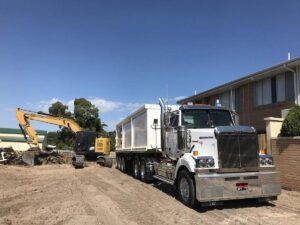
Could the flattest-looking paddock be the wrong place for your dressage arena? Choosing dressage arena builders mornington peninsula property owners can rely on means looking beyond the surface. Drainage, ground levels, access and usable space all influence where an arena can sit and how the site needs to be prepared. Before committing to a layout, check how the proposed area connects to the rest of your property, especially if the ground is uneven or water collects there.
A practical arena plan matches your riding needs to the conditions on your property. This guide covers the main decisions, including site selection, access, levels, drainage and the relationship between the prepared base and riding surface. It also explains what to discuss when comparing builders. Diamond Earthmovers is a Melbourne-based, family-owned business specialising in custom horse riding arenas and yards, with site levelling and preparation tailored to each project. Use the points below to prepare for a focused conversation about your land and how you ride.
Key Takeaways
- Assess usable space, access, existing structures, ground levels and water movement before settling on an arena layout.
- Plan the prepared base, drainage and riding surface as connected parts of the project.
- When comparing dressage arena builders mornington peninsula, look for a clear approach to site assessment, earthworks, levels and project communication.
- Bring details about property access and intended arena use into the planning conversation.
- See Diamond Earthmovers on Google Maps and learn how custom arena and yard work can be tailored to your property.
Planning a dressage arena on the Mornington Peninsula: start with your property
A suitable arena plan depends on how you intend to ride and what your property can support. A space that looks open from the house may have a slope, a route for surface water or a narrow access point that affects the layout and construction. For dressage arena builders mornington peninsula property owners need, sound planning starts with understanding the site before settling on the arena position.
Assess the whole working area, not just the riding surface. Allow for access to the proposed site and room to move around it. Note nearby buildings, fences, trees and boundaries that could restrict the layout or machinery access. Check changes in ground level too. The slope can affect the amount and type of excavation and levelling needed, as well as the way drainage is considered.
Assess the site before finalising the arena design, because levels, water movement and access all affect which layouts are practical.
What should a Mornington Peninsula arena site assessment cover?
Walk the proposed area and note changes in slope, low points and places where surface water collects or travels during and after rain. Look at the route machinery would take to reach the site, including gates, turns and any narrow sections. Check how close the proposed arena is to buildings, fences and boundaries. These observations help identify practical constraints before the layout is fixed.
Ground conditions also influence excavation, preparation and drainage decisions. Conditions can differ between properties, so a nearby block is not a reliable guide to what lies beneath yours. A site-specific assessment gives the earthworks plan a more useful starting point than assumptions based on how the paddock looks.
How do dressage goals influence the arena plan?
Describe who will ride, what sort of dressage work the arena needs to support and how often it will be used. Regular schooling, lessons and competition preparation can prompt different layout discussions. Begin with the practical requirements and available space, then consider an arrangement that fits both. This helps avoid selecting a layout before the intended use and site constraints are clear.
Dressage involves precise movements and patterns, so consider how you plan to use the arena for training and riding. The horse riding arenas and yards planning guide also offers broader context for planning an equestrian facility.
Before discussing a layout, walk the property and note the preferred location, access route, nearby structures, visible slopes and areas where water collects. Pair those observations with your riding goals. This gives the planning conversation a practical focus and helps connect site preparation with the arena’s intended use.
Diamond Earthmovers undertakes custom horse riding arena and yard projects, with site levelling and preparation tailored to the property. To discuss your plans, get in touch with Diamond Earthmovers. You can also view Diamond Earthmovers on Google Maps.
Dressage arena construction: how levels, drainage and footing work together
The riding surface is only one part of an arena. Underneath it, the prepared base supports the selected footing. Levels and drainage need to be considered alongside the surface material because these choices affect how the finished area is planned for use. For dressage arena builders mornington peninsula projects, coordination starts with the property and the riding plan.
The prepared base, drainage and riding surface need to be considered together, with the site and intended use guiding the decisions.
Think of grading, water movement and footing as connected parts of the design. Grading shapes the ground to the planned levels. Drainage planning considers how water moves across or away from the arena. The base supports the selected surface. Considering each item in isolation can leave the overall plan unclear, so discuss how the decisions relate to one another as the project takes shape.
Why do grading and drainage matter for a dressage arena?
Grading shapes the arena levels and informs how surface water is managed as part of the project plan. The approach depends on existing ground, soil conditions, surrounding land and the arena design. Drainage decisions should respond to those details rather than rely on a standard layout or assumed conditions. The purpose of planning is to make choices that suit the site, not to promise the same result in every weather condition.
For example, a proposed arena where water naturally flows towards the site raises different planning questions from one where water drains away. Noting that pattern can help inform how earthworks and drainage are coordinated. The specific levels and drainage details need to be determined for the individual project, rather than guessed from a general rule.
How should footing choices fit the arena’s intended use?
Choose footing in relation to the riding requirements and the prepared base. Sand, fibre blends and rubber materials are examples of options used in arena surfaces, but the right choice depends on the project plan. Describe how you expect to use the arena day to day, then consider the surface alongside the base and drainage approach. A material choice should make sense as part of the whole construction plan.
Before settling the surface, bring these decisions together:
- Intended use: describe the type and frequency of riding the arena needs to support.
- Base preparation: consider how the ground will be shaped and prepared for the selected surface.
- Water management: include drainage in the design discussion, based on the site and planned levels.
This joined-up planning keeps the construction decisions aligned without assuming one surface or drainage approach suits every property. Diamond Earthmovers combines custom arena work with precision site preparation tailored to project needs. To discuss how earthworks and arena preparation can come together for your property, talk with Diamond Earthmovers about your arena project.
Comparing dressage arena builders on the Mornington Peninsula: what matters
When comparing dressage arena builders mornington peninsula property owners may find, look beyond broad claims and focus on how the work relates to the land and riding plans. A site that appears flat can still have changes in level, different ground conditions or water movement that affect preparation. A level-looking paddock is not automatically ready for arena construction. Consider what the site needs before deciding on the work.
A clear project scope connects the property’s conditions with the arena’s intended use. It should make it easier to understand how earthworks, levels and drainage planning fit together. Diamond Earthmovers tailors arena preparation to each project, including excavation and precision site levelling.
| Project consideration | How Diamond Earthmovers approaches it | What it helps clarify |
|---|---|---|
| Site assessment | Consider the proposed work area in relation to property features, access and ground conditions. | Where the arena can fit and what may shape the preparation plan. |
| Earthworks | Plan excavation and site preparation around the requirements of the individual project. | How the site can be prepared for the intended arena layout. |
| Levels | Apply precision site levelling tailored to the property. | What ground shaping is needed before the arena surface is considered. |
| Drainage | Consider water movement alongside site levels and arena planning. | How site conditions inform drainage decisions within the project scope. |
| Project communication | Discuss the intended use, site preparation and key decisions as part of a tailored project. | How property conditions and riding needs connect to construction choices. |
What should a dressage arena project scope make clear?
A useful scope describes the work area, the planned site preparation and the main layout decisions. It should account for practical access and existing property features, since these can affect how work is organised. A narrow approach or nearby structure, for example, may influence how machinery reaches the arena area. The scope and specifications should relate to the individual project, rather than being assumed from a generic template.
A tailored scope turns site conditions and riding needs into clearer construction decisions.
How can local earthworks experience help with Peninsula properties?
Properties across the Mornington Peninsula differ in layout, access and ground conditions. A plan needs to respond to the specific site rather than rely on assumptions about the region. Based in Melbourne and working throughout Victoria, Diamond Earthmovers brings earthmoving and site preparation together with custom horse arena projects, shaping preparation around each property. The family-owned team keeps the discussion focused on the work required and the decisions involved.
A well-defined scope makes it easier to understand how excavation, levelling and other preparation relate to the planned arena. It also gives the project a shared point of reference as decisions take shape, helping align the work with the property and its intended use.

From site assessment to arena build: project planning steps
A clear sequence helps turn an arena idea into a practical project plan. For dressage arena builders mornington peninsula property owners, each step should connect riding requirements with the conditions on the ground. The construction sequence and technical requirements depend on the site, so leave room for project-specific decisions instead of assuming every property follows the same template.
- Define the intended use. Describe the dressage work the arena needs to support, who will ride and how regularly it will be used. These details guide layout discussions and keep the project focused on your needs.
- Assess the proposed location. Consider the preferred area, available space, machinery access, existing ground conditions and visible routes for water across the property. This provides a useful starting point for planning site preparation.
- Plan the earthworks. Use information about the site and intended layout to consider the excavation and preparation required. The scope should relate to the actual property, not assumptions based on appearance alone.
- Prepare the levels. Plan site levelling around the proposed arena and its intended base and drainage arrangements. The approach depends on ground conditions and the design decisions for the project.
- Confirm the next steps. Bring the work areas, access considerations and key decisions into a clear project discussion, then establish a sequence that suits the site.
What information helps plan an arena project?
Before discussing the work, note your intended dressage use, preferred arena location and any information you have about the site. Include how machinery could reach the area, what the ground is like and where water tends to move after rain. Photos or a simple site sketch can help explain the setting. These details support a more informed conversation about the preparation required.
Be specific about practical constraints. A nearby building, narrow access point or uneven ground may influence where work can take place and how it is organised. Sharing those details early helps shape a project scope around the property rather than relying on a broad description of the job.
How does earthmoving prepare the site for arena construction?
Excavation, grading and site levelling are preparation activities selected to suit the project. They help shape the area in line with the planned layout and inform decisions about the base and drainage. The work sequence depends on ground conditions and design, so the preparation plan should connect each activity to the intended arena rather than treat earthworks as a separate task.
Diamond Earthmovers combines custom arena work with earthmoving and site preparation tailored to the property. To see the location, view Diamond Earthmovers on Google Maps.
Discuss your dressage arena project
Plan your Mornington Peninsula dressage arena with Diamond Earthmovers
A well-planned arena brings the riding requirements and earthworks together from the outset. Diamond Earthmovers is a Melbourne-based, family-owned earthmoving business specialising in custom horse riding arenas and yards, with precision site preparation tailored to each property. For dressage arena builders mornington peninsula projects, this joined-up approach keeps the intended use, site levels and preparation decisions connected as the plan takes shape.
What does Diamond Earthmovers bring to a custom arena project?
Earthmoving is an important part of preparing an arena site. Diamond Earthmovers undertakes excavation, site levelling and preparation, with the approach shaped around the property and project requirements. That work is considered alongside the planned arena layout and the horse owner’s needs, rather than treated as a separate task. Because each project has its own conditions, the work and specifications are tailored to the site.
As a family-owned team, Diamond Earthmovers takes a practical approach to project discussions. Explaining how you intend to use the arena and sharing useful property details helps define the earthworks scope. It also clarifies how site preparation fits into the broader arena plan, with decisions based on the property rather than generic assumptions.
How can an owner take the next step?
Start with the basics: the property’s location, where you hope to place the arena and how you plan to use it for dressage. Add early observations about access, ground conditions, levels and water movement. You do not need every design detail settled before starting the conversation. Sharing what you know gives the project discussion a useful starting point and helps focus attention on site-specific questions.
It can also help to describe who will ride and the kind of day-to-day activity you expect. That context connects site preparation with the arena’s intended role. Diamond Earthmovers can discuss the project as a tailored combination of arena work and earthmoving, with decisions guided by the property and its requirements.
Diamond Earthmovers is based in Melbourne and serves Victoria. View Diamond Earthmovers on Google Maps. When you are ready, share your property details and riding goals to begin a conversation about your arena.
Take the next step towards your arena
A dressage arena is a lasting part of your property, so give the early decisions the same care as the construction itself. Before moving ahead, consider what you want the arena to make possible for you and your horse. A clear picture of the intended use can turn a broad idea into a focused project conversation.
Choosing dressage arena builders mornington peninsula horse owners can work with is about finding a practical fit between riding goals and the property. Diamond Earthmovers can discuss your project with you, using your plans and site details as the starting point. You do not need every detail resolved before making that first approach.
Share your plans with Diamond Earthmovers to discuss an arena tailored to your property and the way you ride.
Frequently Asked Questions
How do I choose dressage arena builders on the Mornington Peninsula?
Choose a team whose project approach connects your riding requirements with your property’s conditions. When comparing dressage arena builders mornington peninsula, focus on how the work is scoped, from intended use and machinery access to ground preparation and communication about decisions. Diamond Earthmovers develops custom horse riding arenas and yards with preparation tailored to each project. A site-specific plan is more useful than assuming one layout or earthworks approach suits every block.
What should a dressage arena site assessment include?
A site assessment should consider the proposed arena area, access, ground conditions, existing levels and surface water movement. Walk the location after rain if practical and note where water collects or travels, along with narrow entry points or obstacles. These observations help make the discussion specific to your property. Technical details should follow from the actual site and project requirements, rather than general assumptions about Mornington Peninsula land.
Does a dressage arena need drainage?
Drainage should be considered during planning, but the right approach depends on the property and arena design. Note where water moves across the proposed area, where it could flow beyond it and whether nearby features influence that movement. This context helps inform grading and preparation decisions. There is no single drainage arrangement that suits every site, so project decisions need to reflect the local ground conditions.
What is the difference between arena base preparation and footing?
Base preparation is the groundworks beneath the riding surface; footing is the material horses work on. The distinction matters because choosing a surface does not determine how the ground beneath it should be prepared. A material decision needs to be considered alongside site conditions and the arena’s intended use. Treating these as linked parts of the design helps keep the preparation plan and surface choice aligned.
Can an existing paddock be turned into a dressage arena?
An existing paddock can be considered as a possible arena location, but its appearance alone does not show whether it is ready for construction. Check how much usable space remains once access and nearby features are considered, and note areas that stay wet or feel uneven underfoot. Those observations help identify questions for a property-specific assessment. Preparation needs depend on the paddock’s conditions and the intended arena design.
How long does it take to build a dressage arena?
There is no reliable standard timeframe for every dressage arena project. Duration depends on the property, the earthworks required, site conditions and design decisions. Access can also affect how the work is organised. Sharing your intended use and site details early helps clarify the project scope and the factors that shape its sequence. Discuss timing in relation to the specific project rather than assuming a standard timeframe.
What information should I prepare before discussing an arena project?
Prepare the property location, your preferred arena area and a description of how you plan to use it for dressage. Note access points, existing ground conditions and any places where water tends to collect or flow. Photos or a simple sketch can help show the setting and nearby features. You do not need a finished design; these early details provide a practical starting point for discussing site preparation and project requirements.
Ready to discuss your Mornington Peninsula arena plans? Contact Diamond Earthmovers to start a conversation about your property and riding goals.