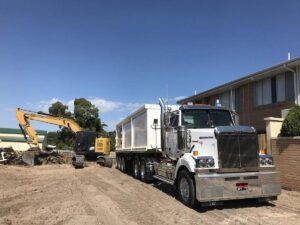
When you’re considering the cost to build a farm dam victoria, the amount of water you want to store is only part of the picture. Soil, access, dam dimensions and the volume of earth to move all shape the work required. Two properties with similar storage goals can need very different earthworks.
A useful estimate starts with understanding what you need the dam to do and what the property can support. Diamond Earthmovers is a Melbourne-based, family-owned earthmoving business serving Victoria, specialising in dam construction, repairs and large-scale earthworks. You can find Diamond Earthmovers on Google Maps. This guide explains the site, design and earthworks factors that influence a project scope, how to compare scope options and what to prepare before discussing your project.
Key Takeaways
- The cost to build a farm dam victoria depends on the property and the work involved, so a site-specific scope is more useful than a generic figure.
- Dam dimensions and layout affect the excavation and material handling required. Consider your intended use before settling on a design.
- Compare project scopes like for like, including excavation, site preparation and how excavated material will be handled.
- Before a project discussion, note your intended use, approximate dam location and desired dimensions.
- Consider planning and water-related requirements early, as they may affect the steps involved in your project.
Why farm dam costs in Victoria vary by property
A single figure can’t represent every farm dam project in Victoria. Two landholders may want similar water storage but face different terrain, ground conditions and machinery access. One site may have open, level ground and a clear route for equipment; another may have uneven slopes, narrow access or rock that changes the excavation work. The cost to build a farm dam in Victoria depends on these property-specific requirements, not just the proposed size.
A project estimate reflects the work needed to deliver an agreed scope. That scope takes account of the dam’s intended use, proposed dimensions, site preparation and earthworks. A generic price or range, given before the property and project are understood, may not reflect the work involved.
What a farm dam estimate needs to account for
Start with the intended water use. A dam planned for stock water may have different requirements from one intended for irrigation or another farm need. Clarifying the purpose helps frame the storage requirement and layout. General types of dams serve different purposes, so describe what your farm needs before settling on a concept.
Proposed dimensions then help define the excavation. A larger footprint or greater depth can mean more earth to move, while the dam’s shape and position affect how the work fits the site. Treat dimensions as part of the project brief, not a substitute for assessing the property itself.
Why Victorian properties can have different earthworks requirements
Access can make a practical difference. Open, accessible ground may give machinery room to reach the site and carry out earthworks. A confined or uneven rural block can require more consideration of machinery positioning and movement. When describing your property, note gates, narrow tracks, steep sections and obstacles along the route to the proposed dam site.
Ground conditions matter too. Soil and rock can vary across a property, changing the excavation work and how materials are managed. Don’t assume that conditions in one part of the farm are the same as those at the proposed dam site. Share what you know about the ground, then base the scope on the site itself.
Site-specific conditions shape the earthworks scope, so a useful farm dam estimate starts with the land, not a generic figure. Bring together your intended use, approximate location and preferred dimensions as a clear starting brief. This helps focus the discussion on the property rather than assumptions that may not fit.
Which farm dam construction factors shape the scope in Victoria?
A farm dam’s scope is shaped by the earthworks needed to create its proposed form and fit it to the property. The cost to build a farm dam victoria landholders consider depends on practical details such as the excavation footprint, ground conditions and what needs to happen to excavated material. Some site conditions call for more preparation or handling work than others.
Use these factors to describe the work involved:
- Dam dimensions and layout: The proposed depth, footprint and position determine the excavation area and how the work fits the surrounding land.
- Ground conditions: Soil and rock encountered at the site can change the nature of excavation.
- Machinery access: Entry routes and room to manoeuvre affect how machinery can reach and work around the dam site.
- Material handling: The scope depends on what happens to excavated material, including whether any can be used on-site.
- Preparation and finishing: Identify clearing obstacles and any additional finishing work separately from the core earthworks.
Dam dimensions, ground conditions and excavated material
Depth and footprint work together. A compact layout with more depth is a different excavation task from a broader, shallower shape, even if both are intended to hold a similar volume. Discuss the preferred layout as a whole because it affects the amount and location of excavation.
Ground conditions can influence how the excavation proceeds. Soil, rock or other material encountered may call for different work from what the surface first suggests. Reusing excavated material on the property may be an option, but assess it for the specific site and intended use rather than assuming it can be used.
Machinery access, site preparation and finishing work
Machinery needs a workable route to the dam site and enough room to operate. Narrow entries, uneven approaches or limited turning space can affect how equipment moves and how the job is organised. Vegetation, obstacles or rough ground may also mean extra preparation before excavation begins. Pointing out these features early gives a clearer picture of the work.
Keep core earthworks distinct from optional finishing. Excavation and site preparation define the main construction scope; additional shaping or other finishing preferences can be discussed as separate items. This makes it easier to compare scopes without mistaking different inclusions for a simpler or more complete job.
The site’s conditions and layout determine the earthmoving scope, from access and excavation through to material handling. To discuss what your property may require, get in touch with Diamond Earthmovers about your farm dam project and outline the site features you already know about.
How to compare farm dam scope options without relying on a low headline quote
A headline figure tells you only part of the story. To understand the cost to build a farm dam victoria, compare what each proposed scope includes rather than assuming two figures describe the same finished work. A lower amount may reflect a narrower scope, different assumptions about site access or material handling, or preparation work that is outside the estimate.
Use a like-for-like checklist. Look for clear descriptions of excavation, site preparation, access conditions and what will happen to excavated material. If an item is unclear or treated as an assumption, record that difference. It may affect the work required even if it isn’t obvious from a short summary.
Compare inclusions, exclusions and assumptions
Line up the same scope items side by side. The table below highlights differences worth identifying. It isn’t a set of fixed packages; the actual work depends on the property and agreed project brief.
| Scope option | What to compare | Questions to resolve in the scope |
|---|---|---|
| New dam, straightforward site | Excavation and the agreed dam layout | What site preparation is included? What access conditions are assumed? |
| New dam, additional preparation | Excavation plus identified preparation work | Which vegetation, uneven areas or obstacles need attention? How will material be handled? |
| Existing dam repair | Repair work, rather than construction of a new dam | Which repair tasks are in scope, and how are they distinguished from new excavation? |
Describe the access route and any known ground conditions in the project brief, then compare how each scope accounts for them. Make material handling explicit too. Whether excavated material can be used on-site depends on the site, so don’t treat it as a given. Describe excavation and site preparation clearly to make the proposed work easier to compare.
Choose a scope that fits the property’s intended use
The dam’s purpose should guide discussion of its dimensions and layout. A landholder planning for one use may have different priorities from someone planning for another, so no particular shape or construction approach is right for every property. Set out what the water is for and where the dam could sit, then consider the proposed scope against the land.
A straightforward site may call for a direct earthworks scope, while a location with obstacles or uneven ground may need additional preparation. Compare the work each option includes and whether it reflects the intended outcome. A new build and a repair are also different scopes, so compare like with like rather than judging repair work against a new dam proposal.
Clear inclusions help prevent assumptions from being mistaken for agreed work. Set out the intended use, preferred layout and known site constraints before comparing scopes. That gives each proposal a consistent basis, rather than relying on a headline figure to tell the whole story.

What to prepare before planning a farm dam project in Victoria
A little preparation makes an initial farm dam discussion more practical. It gives the earthmoving team a clearer picture of the outcome you want and the property where the work may take place. You don’t need every detail settled. A concise brief, site observations and any relevant plans or photos are a useful starting point when exploring the cost to build a farm dam victoria.
Gather property and project information
Work through these steps before discussing your project. Your notes don’t need to be technical; they simply help describe the intended scope and details that could affect machinery access or earthworks.
- Set out the intended use. Note what you want the dam to provide, such as stock water or irrigation, so the project brief starts with its purpose.
- Mark the approximate location. Identify the preferred area on a property plan or map, and note any alternative location you’re considering.
- Record desired dimensions. Write down your preferred footprint and depth if you have them, or note that these are still to be worked through.
- Describe the approach to the site. Include gates, tracks, narrow sections, slopes, nearby buildings, fences or other features that could affect machinery movement.
- Share what you know about the ground. Note visible changes in slope and any known soil or rock conditions. Site photographs or plans can help make the early conversation more informed.
Keep observations distinct from assumptions. For example, describe where the access track narrows rather than guessing what machinery can use it. Clear, practical details help focus the discussion on the property and the work involved.
Check local requirements before work is planned
Planning and water-related requirements can depend on the site and proposed work. Before settling on a construction plan, seek current advice from your local council, the relevant Catchment Management Authority and the Victorian Department of Energy, Environment and Climate Action (DEECA). These are useful starting points for understanding which requirements may apply to your project.
When making enquiries, describe the proposed location, intended use and general scope, and ask for advice specific to those details. Don’t rely on a general guide or someone else’s experience instead of current, property-specific information. Requirements can vary, so allow time to understand them before work is planned.
With your notes gathered and relevant guidance in hand, you’ll be better placed to discuss the project’s practical scope. Diamond Earthmovers can talk through your intended use, site information and earthworks needs as part of a farm dam project discussion.
Plan your Victorian farm dam with Diamond Earthmovers
A farm dam project starts with the outcome you want and the conditions on your property. Diamond Earthmovers specialises in dam construction, repairs and large-scale earthworks, bringing practical earthmoving experience to discussions about the work involved. Based in Melbourne and serving Victoria, the business shapes the scope around each site and its intended purpose.
That matters when you’re trying to understand the cost to build a farm dam victoria. A useful project discussion considers more than proposed size. It brings together intended use, site conditions, access and the earthworks needed to achieve the planned outcome.
How a site-specific project discussion helps define scope
Start with your goals: what the dam is for, where you’d like it to sit and what you know about the ground and access. These details frame the conversation around your property rather than an assumed standard package. The discussion can cover the excavation involved and any site preparation you’ve identified.
You don’t need to arrive with a finished plan. If dimensions or layout are still being considered, say so. A clear discussion separates what you already know from what needs further thought, keeping the focus on relevant work without treating one approach as right for every block.
Take the next step with a clear project brief
Before getting in touch, gather details that will help explain your site. A short written brief can get the conversation moving, and photographs or a property plan can add useful context if you have them.
- Location: Note the property location and approximate dam site.
- Intended use: Describe what you want the dam to provide.
- Access: Mention tracks, gates, slopes or other features that could affect machinery movement.
- Known site conditions: Share observations about the ground and any visible constraints.
- Preferred dimensions: Include your desired size or explain that it’s still to be determined.
This brief helps keep the discussion practical and centred on your property. Diamond Earthmovers undertakes dam construction and repairs, with the earthworks considered as part of the project scope.
Take the next step towards your farm dam project
A clear project brief gives you a more useful starting point for discussing the cost to build a farm dam victoria. Consider what information you still need to gather, who can advise on site-specific requirements and how your preferred outcome fits the property. You don’t need every detail resolved before starting a conversation.
Diamond Earthmovers can discuss your proposed dam and the earthworks involved, with the scope shaped around your property rather than assumptions about a typical site. Sharing what you know about your plans and land helps keep that conversation focused and practical.
When you’re ready, take the next step and start shaping a practical way forward for your property.
Frequently Asked Questions
How much does it cost to build a farm dam in Victoria?
There isn’t one reliable figure that applies to every Victorian property. The cost to build a farm dam in Victoria depends on the proposed work and what the site requires. A useful quote needs to account for the project scope, rather than offer a generic amount before the property is understood. Share the location and your intended use to start a practical discussion about the work involved.
What factors affect the cost of a farm dam?
The main influences are the planned storage dimensions, site preparation, ground conditions, machinery access and how excavated material will be handled. A site with a clear machinery route may involve different access work from one with a narrow entry or obstacles. These details can change the scope even when two landholders want dams for a similar purpose. A quote should describe the work it covers.
Do I need a permit to build a farm dam in Victoria?
Requirements depend on the site and proposed work, so don’t assume a dam is exempt or that one rule applies across Victoria. Ask your local council, the relevant Catchment Management Authority and the Victorian Department of Energy, Environment and Climate Action (DEECA) for current advice specific to your property. Share the intended location and use when making enquiries, as these details help authorities direct you to relevant requirements.
Can excavated soil be used to form a farm dam wall?
Possibly, but it depends on the material and how it suits the proposed work at that site. Don’t assume soil from an excavation is suitable for forming a wall simply because it’s available. The material and its intended placement need to be assessed as part of the project scope. Include material handling in the discussion so the plan accounts for what happens to excavated soil.
Does difficult access make farm dam construction more expensive?
Difficult access can affect the work involved, but its impact depends on the property and the machinery needed for the project. A narrow gate, steep approach or limited room near the site may affect how equipment reaches and moves around the work area. Mention these constraints early and share photos if useful. This makes access part of the project discussion rather than an overlooked assumption.
What information should I have before requesting a farm dam quote?
Prepare the property location, intended water use, approximate dam position and any dimensions you have in mind. Note visible slopes, known ground conditions, access limitations and nearby features such as fences or buildings. A property plan or site photos can help explain the setting. You don’t need a final design to begin; a clear outline of your goals gives the discussion a practical starting point.
Is repairing an existing farm dam different from building a new one?
Yes. A new dam involves planning earthworks for a proposed structure, while repair work focuses on an existing dam and the specific work it needs. The condition and location of the existing structure help define a repair scope, so it shouldn’t be compared directly with a new-build quote. Diamond Earthmovers undertakes both dam construction and repairs, with the work considered in relation to the project.