How Do Schools Plan Infrastructure Upgrades in Melbourne and Victoria?
Schools across Melbourne and Victoria regularly review their facilities to ensure their campuses continue supporting modern education. As teaching methods evolve and student numbers grow, ageing buildings may no longer meet the needs of students, teachers and staff.
Infrastructure upgrades allow schools to modernise their facilities, improve learning environments and prepare campuses for future growth. These projects often involve replacing outdated buildings, upgrading utilities and preparing sites for new construction.
For school leaders, business managers and project consultants, understanding how infrastructure upgrades are planned helps ensure redevelopment projects progress smoothly and safely.
Why Schools Upgrade Infrastructure
Many school buildings across Victoria were constructed decades ago. While these facilities have served communities for many years, they may no longer align with modern teaching practices or accessibility standards.
Infrastructure upgrades allow schools to:
• replace ageing buildings
• improve safety and accessibility
• introduce modern learning environments
• expand capacity for growing student populations
• upgrade technology and utilities
Through redevelopment programs, schools can transform outdated campuses into modern education environments designed for future generations.
How Ageing School Buildings Affect Campus Planning
As buildings age, they can present challenges for schools trying to adapt to modern educational requirements.
Older facilities may have:
• outdated classroom layouts
• limited technological infrastructure
• inefficient energy systems
• accessibility limitations
• higher maintenance costs
These challenges often lead schools to assess whether renovation or full replacement is the most effective long-term solution.
When buildings reach the end of their useful life, redevelopment planning may involve building removal and site preparation before new construction can begin.
Schools planning redevelopment projects often benefit from working with experienced school demolition contractors in Melbourne who understand how to safely prepare school campuses for redevelopment.
Assessing Buildings Before Redevelopment
Before major infrastructure upgrades begin, schools typically carry out several assessments to understand the condition of existing facilities.
Building Condition Assessments
Structural inspections help determine whether buildings can be safely renovated or if replacement is more practical. These assessments evaluate foundations, structural components and building systems.
Hazardous Material Inspections
Older buildings may contain hazardous materials such as asbestos. Identifying these materials early in the planning process is important for protecting the school community.
Licensed specialists such as Phase One Asbestos, who operate across Melbourne and Victoria, assist schools with identifying and safely removing asbestos materials before demolition or redevelopment begins.
Infrastructure and Utility Reviews
Electrical systems, plumbing, drainage and other infrastructure may also need evaluation. In many cases these systems must be upgraded alongside new buildings.
Understanding Approval and Planning Requirements
School redevelopment projects must follow planning guidelines and approval processes before construction or demolition work begins.
Government schools may work with the Victorian School Building Authority, which oversees many education infrastructure programs across the state.
Planning considerations often include:
• safety planning for students and staff
• environmental compliance requirements
• demolition and construction permits
• hazardous material management
• construction staging to minimise disruption
More information about school infrastructure programs can be found at:
https://www.schoolbuildings.vic.gov.au/
The Role of Demolition in School Infrastructure Upgrades
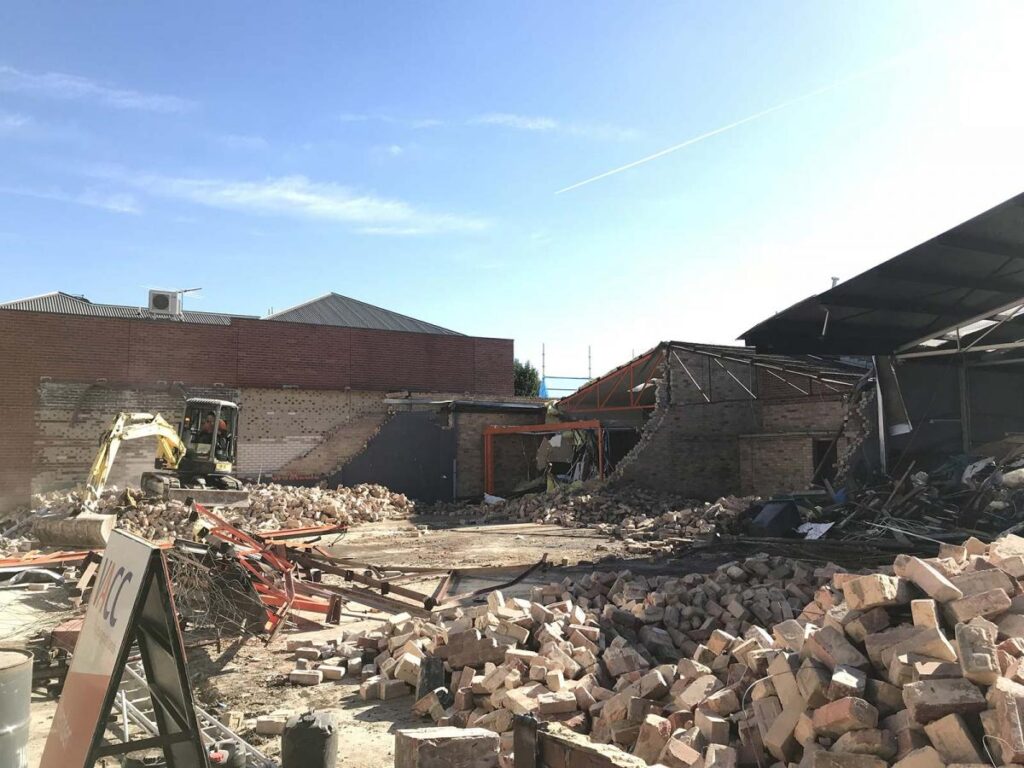
In many redevelopment projects, outdated buildings must be removed before new facilities can be constructed.
Demolition is typically carried out after:
hazardous materials are safely removed
permits and approvals are obtained
safety measures are implemented for the school environment
Once demolition is completed, the site can be cleared and prepared for the next stage of construction.
This process ensures redevelopment projects proceed safely while protecting students, staff and nearby communities.
Preparing School Sites for New Construction
After building removal, the site must be prepared so new facilities can be constructed.
Site preparation may include:
• removing building debris and foundations
• levelling the ground and preparing soil
• conducting earthworks and drainage improvements
• preparing utility connections
These steps ensure the site is ready for engineers and construction teams to begin building modern school facilities.
How Experienced Contractors Support School Redevelopment
School infrastructure upgrades involve several stages, including hazardous material management, demolition and site preparation.
Working with experienced contractors helps ensure each stage of the project is carefully managed and completed safely.
Across Melbourne and regional Victoria, companies such as Diamond Earthmovers assist schools with demolition and early-stage civil works that prepare campuses for redevelopment projects.
Their experience working on complex infrastructure sites helps schools transition smoothly from ageing buildings to modern facilities.
Frequently Asked Questions About School Infrastructure Upgrades
Why do schools replace buildings instead of renovating them?
In some cases renovation is possible. However, buildings that are outdated, structurally deteriorated or unsuitable for modern learning environments may be better replaced through redevelopment.
Do school redevelopment projects require asbestos inspections?
Yes. Many buildings constructed before the 1990s may contain asbestos materials. Professional inspections are required before demolition or major renovation work begins.
What happens after a building is removed?
After demolition, the site is cleared, foundations may be removed and the ground is prepared for future construction.
Who oversees school infrastructure programs in Victoria?
Many government school infrastructure programs are managed by the Victorian School Building Authority.
Related School Demolition Guides
• Do Schools Need Approval to Demolish Buildings in Victoria?
• What Permits Are Required for School Demolition in Melbourne?
• How Do Schools Manage Asbestos During Demolition?
• How Can Demolition Be Carried Out Safely on School Campuses?