Across Melbourne and Victoria, many schools operate in buildings that were constructed several decades ago. While these facilities have supported generations of students, ageing infrastructure can eventually become difficult to maintain and adapt to modern educational requirements.
School leaders, facility managers and school councils often face an important decision: should an older building be repaired, renovated or completely replaced?
Understanding when replacement is the more practical option helps schools plan infrastructure upgrades that support long-term educational needs while ensuring safety and compliance.
Why Ageing School Buildings Can Become a Challenge
Buildings naturally deteriorate over time. Even with regular maintenance, older facilities may begin to present structural, safety or operational challenges.
In some cases, these issues can be addressed through refurbishment. However, there are situations where repairing an ageing building becomes less practical than replacing it entirely.
Common challenges associated with older school buildings include:
• outdated classroom layouts
• limited accessibility for students with mobility needs
• ageing electrical or plumbing systems
• inefficient heating and cooling systems
• structural deterioration or water damage
When these issues begin affecting functionality or safety, schools may begin considering building replacement as part of a broader redevelopment strategy.
The Rising Cost of Maintaining Older Buildings
One of the main factors influencing replacement decisions is the ongoing cost of maintenance.
Older buildings often require frequent repairs to keep them operational. Over time, these maintenance costs can accumulate and exceed the cost of replacing the facility.
Maintenance expenses may include:
• roof repairs and structural maintenance
• electrical system upgrades
• plumbing and drainage repairs
• heating and cooling system replacement
• accessibility improvements
When maintenance costs continue rising, redevelopment may provide a more sustainable long-term solution.
Outdated Learning Environments
Modern education environments have evolved significantly over the past several decades.
Older buildings were often designed with traditional classroom layouts that may not support contemporary teaching approaches such as collaborative learning, flexible spaces and technology integration.
New facilities can provide:
• flexible learning spaces
• improved lighting and ventilation
• modern technology infrastructure
• improved acoustics
• better accessibility and safety features
Replacing outdated buildings allows schools to create environments that better support modern teaching methods and student wellbeing.
Compliance and Safety Considerations
Safety regulations and building standards also change over time.
Older buildings may not fully comply with current building codes, accessibility requirements or safety standards. Upgrading these structures to meet modern compliance standards can sometimes be complex and expensive.
Common compliance concerns may include:
• accessibility requirements
• fire safety upgrades
• structural safety improvements
• hazardous material management
In some cases, replacing an outdated building may be more practical than attempting to upgrade an older structure to modern standards.
The Role of Hazardous Material Assessments
Before major renovations or demolition work begins, older buildings must be assessed for hazardous materials.
Buildings constructed before the 1990s may contain materials such as asbestos that require careful management.
Professional inspections help identify these materials so they can be safely removed before redevelopment begins.
Licensed specialists such as Phase One Asbestos, who operate across Melbourne and Victoria, assist schools with identifying and safely removing asbestos materials prior to demolition or major building works.
When Demolition Becomes Part of the Solution
If a building is no longer suitable for renovation, removal may be required before new facilities can be constructed.
Demolition allows schools to clear outdated structures and prepare sites for modern buildings designed to support current educational needs.
Schools planning redevelopment projects often work with experienced school demolition contractors in Melbourne who understand the unique challenges of working on active school campuses.
These projects must be carefully managed to ensure student safety while allowing redevelopment work to proceed efficiently.
Preparing School Sites for Future Development
Once a building is removed, the site must be prepared for the next stage of redevelopment.
This process may involve:
• clearing building debris and foundations
• levelling the site
• preparing utilities and drainage systems
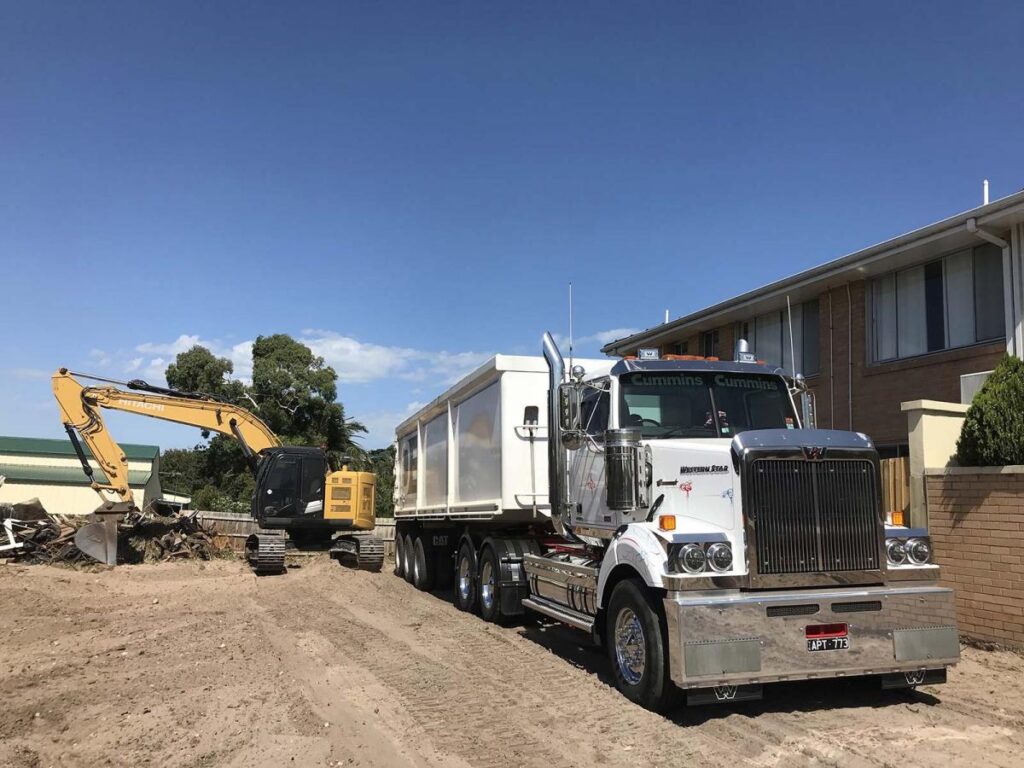
• conducting earthworks for future construction
Proper site preparation ensures that new facilities can be built safely and efficiently.
Across Melbourne and regional Victoria, companies such as Diamond Earthmovers support school redevelopment projects by assisting with demolition and site preparation that prepares campuses for modern construction.
Planning Long-Term School Infrastructure
Replacing ageing buildings is often part of broader infrastructure planning.
Schools may consider:
• projected student population growth
• modern learning requirements
• accessibility improvements
• energy efficiency and sustainability goals
• campus layout improvements
By planning strategically, schools can ensure that redevelopment projects support future generations of students and teachers.
Frequently Asked Questions About Replacing School Buildings
Can older school buildings always be renovated?
Not always. Some buildings may be too outdated, structurally deteriorated or unsuitable for modern educational requirements. In these cases replacement may be the most practical option.
Do schools need inspections before demolition?
Yes. Building inspections and hazardous material assessments are typically required before demolition or redevelopment begins.
What happens after a school building is demolished?
After demolition, the site is cleared, foundations may be removed and the land is prepared for future construction.
Who oversees school infrastructure projects in Victoria?
Many government school infrastructure programs are overseen by the Victorian School Building Authority.
Related School Demolition Guides
• School Demolition in Melbourne and Victoria: What Should Schools Know Before Starting a Project?
• Do Schools Need Approval to Demolish Buildings in Victoria?
• What Permits Are Required for School Demolition in Melbourne?
• How Do Schools Manage Asbestos During Demolition?