Many schools across Melbourne and Victoria operate in buildings constructed several decades ago. While these buildings have served generations of students, older structures may contain materials that require special handling during redevelopment projects.
One of the most important considerations is asbestos.
Before any school demolition project can begin, buildings must be assessed for hazardous materials. Asbestos was commonly used in construction across Australia until the late twentieth century. Because asbestos fibres can pose serious health risks when disturbed, strict regulations govern how these materials must be identified and removed.
For principals, school councils and facility managers responsible for planning building upgrades, understanding how asbestos is managed during demolition is essential.
Why Is Asbestos a Concern in Older School Buildings?
Asbestos was widely used in construction materials for many decades due to its durability and heat resistance. It was commonly used in roofing, insulation, wall panels, ceiling tiles, floor coverings and pipe insulation.
Many school buildings constructed before the 1990s may contain some form of asbestos-containing material.
When these materials remain undisturbed, they generally present little risk. However, demolition work can release asbestos fibres into the air if the materials are damaged or broken apart.
Because inhaling asbestos fibres can lead to serious health conditions, strict procedures must be followed before demolition can begin.
For this reason, asbestos inspections are usually one of the first steps in planning any school demolition project.
How Is Asbestos Identified Before Demolition?
Before demolition work begins, a professional asbestos inspection is typically required.
Qualified inspectors assess the building and collect samples of materials that may contain asbestos. These samples are then tested in accredited laboratories to determine whether asbestos is present.
The inspection process helps identify where asbestos materials are located within the building. It also determines the type and condition of the materials.
This information is used to develop a safe removal plan before demolition works proceed.
Without this assessment, demolition work cannot safely begin.
Who Is Responsible for Removing Asbestos?
Only licensed asbestos removal contractors are permitted to remove certain types of asbestos materials in Victoria.
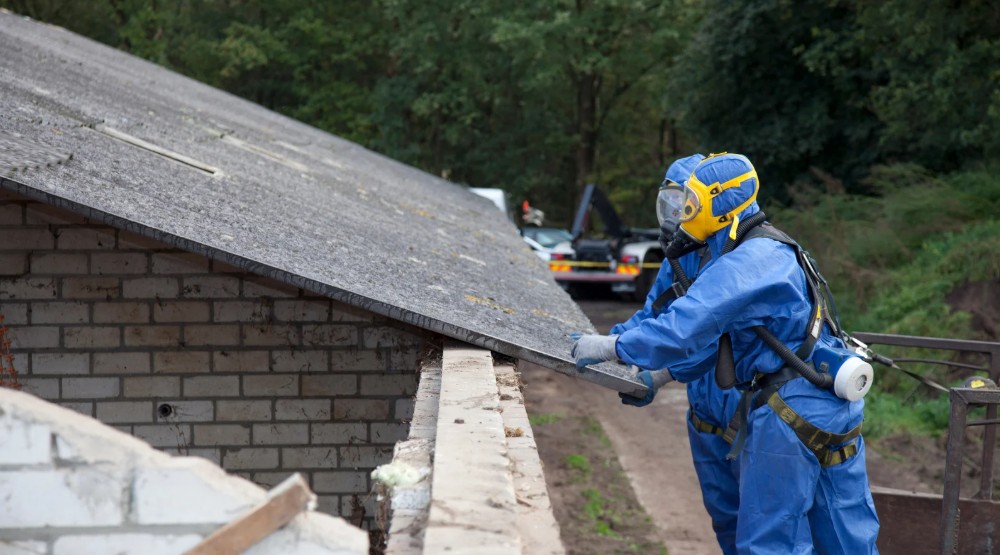
These specialists follow strict safety procedures designed to protect workers, students and the surrounding community. Removal work may involve sealing off affected areas, using protective equipment and carefully removing materials to prevent fibres from becoming airborne.
Companies such as Phase One Asbestos, which specialise in asbestos inspection and removal across Melbourne and Victoria, regularly assist schools with identifying and safely removing hazardous materials before demolition begins.
Their work ensures that school buildings can be cleared safely and in compliance with Victorian health and safety regulations.
What Happens After Asbestos Has Been Removed?
Once asbestos materials have been safely removed and the site has been cleared, demolition work can begin.
At this stage, demolition contractors can proceed with dismantling the structure and preparing the site for redevelopment.
Because asbestos removal and demolition often occur as part of the same project, demolition contractors frequently work closely with licensed asbestos specialists to ensure the process is managed safely from start to finish.
Companies such as Diamond Earthmovers regularly work alongside asbestos removal professionals when carrying out demolition and civil works projects across Melbourne and Victoria. This coordinated approach helps ensure that school redevelopment projects move forward safely and efficiently.
What Safety Measures Are Used During Asbestos Removal?
Strict safety procedures are required when asbestos materials are removed from buildings.
Specialist contractors use protective equipment and controlled work areas to prevent fibres from spreading. Air monitoring may also be conducted during removal work to ensure the surrounding environment remains safe.
Waste materials containing asbestos must be sealed and transported to approved disposal facilities in accordance with environmental regulations.
These procedures ensure that hazardous materials are managed responsibly and that demolition projects can proceed without risk to students or staff.
How Can Schools Prepare for Asbestos Management During Demolition?
Planning ahead is the most effective way to manage asbestos risks during school demolition projects.
School leadership teams should begin by identifying older buildings that may contain hazardous materials. Engaging experienced inspection and removal specialists early in the planning process helps ensure asbestos risks are properly assessed and managed.
Working with qualified contractors also helps schools comply with Victorian health and safety regulations while preparing campuses for redevelopment.
Across Melbourne and regional Victoria, coordinated teams of asbestos specialists and demolition contractors regularly assist schools with safely preparing buildings for removal.
This collaborative approach allows redevelopment projects to proceed while protecting the health and safety of the school community.
Frequently Asked Questions About Asbestos in School Buildings
Do all older school buildings contain asbestos?
Not all buildings contain asbestos, but many structures built before the 1990s may include asbestos materials in roofing, insulation or wall panels.
Can demolition begin before asbestos is removed?
No. If asbestos is present, it must be safely removed by licensed specialists before demolition work can begin.
Is asbestos dangerous if it remains in place?
Asbestos materials that remain sealed and undisturbed generally pose minimal risk. However, demolition work can release fibres if these materials are broken or damaged.
Who regulates asbestos removal in Victoria?
Asbestos removal work must comply with Victorian workplace safety and environmental regulations. Licensed removal contractors must follow strict procedures when handling hazardous materials.
School demolition projects must also ensure that work is carried out safely while the school remains operational.
Next article: How Can Demolition Be Carried Out Safely on an Active School Campus?