Schools across Melbourne and Victoria operate in facilities built during different periods of growth. Some buildings were constructed decades ago and have served generations of students. Over time, however, ageing infrastructure can present challenges for modern education.
School leadership teams are often faced with an important decision. Should an older building be repaired and maintained, or is it more practical to replace it entirely?
This decision affects budgets, safety, long-term planning and the quality of the learning environment. For principals, deputy principals and school councils responsible for managing school infrastructure, understanding when building replacement becomes the better option is an important part of campus planning.
By carefully evaluating building condition, long-term costs and educational needs, schools can determine the most effective approach to upgrading their facilities.
Why Do School Buildings Eventually Need Replacement?
Many school buildings across Victoria were constructed in the 1950s, 1960s and 1970s. While these facilities were designed to meet the needs of their time, education environments have changed significantly since then.
Older buildings may lack the flexibility required for modern teaching methods. Classrooms may be smaller, layouts may be rigid and infrastructure such as electrical systems or network cabling may be outdated.
As these buildings age, maintenance requirements can also increase. Roofing, plumbing, electrical systems and structural components may require regular repairs.
Eventually, maintaining the building may become less practical than replacing it with a modern facility.
How Do Maintenance Costs Affect the Decision?
One of the most important factors schools consider is the ongoing cost of maintaining older buildings.
Routine maintenance can usually address minor issues such as small structural repairs, repainting or equipment upgrades. However, when maintenance costs begin to increase significantly, the long-term value of continued repairs becomes questionable.
Repeated repairs to ageing utilities, roofs or structural components can place pressure on school budgets. In some cases the cost of maintaining the building over several years may approach the cost of replacing it.
When this happens, replacing the building may become the more practical long-term solution.
How Do Older Buildings Affect Learning Environments?
Modern teaching methods often require flexible learning spaces that support collaboration, technology and adaptable classroom layouts.
Older buildings may struggle to support these requirements. Classrooms may not accommodate modern digital equipment or flexible furniture layouts. Lighting, ventilation and accessibility may also fall short of current expectations.
Replacing outdated buildings allows schools to create environments that better support contemporary education.
New facilities can provide flexible classrooms, improved accessibility and technology infrastructure that enhances the learning experience for students.
When Do Safety or Compliance Issues Require Building Replacement?
Safety and compliance requirements can also influence the decision to replace an ageing building.
Building regulations and accessibility standards have evolved over time. Older facilities may not meet modern safety requirements without significant upgrades.
Structural deterioration, outdated electrical systems or ageing materials can also create safety concerns that are difficult to address through simple repairs.
In these cases, replacing the building may provide a safer and more sustainable long-term solution.
How Do Hazardous Materials Affect Older Buildings?
Older buildings may contain materials that were commonly used in construction decades ago but are now regulated.
For example, some buildings constructed before the 1990s may contain asbestos materials within insulation, ceiling panels or wall components.
Before redevelopment or demolition begins, schools must arrange inspections to determine whether hazardous materials are present. Specialist contractors such as Phase One Asbestos assist schools across Melbourne and Victoria by identifying and safely removing asbestos materials before building removal projects proceed.
Managing hazardous materials properly helps ensure redevelopment projects are carried out safely and in accordance with Victorian regulations.
How Does Building Replacement Support Long-Term Campus Planning?
Replacing ageing buildings provides an opportunity for schools to rethink how their campus is organised.
Redevelopment projects allow schools to redesign layouts, improve access between facilities and create modern learning environments that support future enrolment growth.
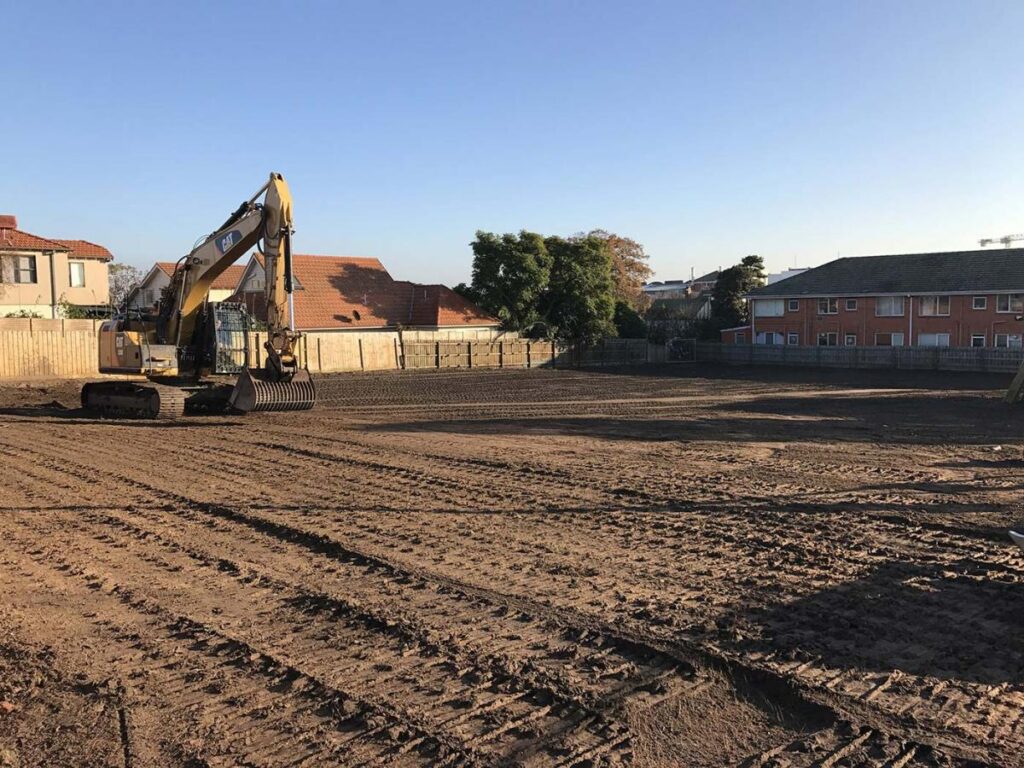
Many redevelopment projects involve removing outdated structures and preparing the site for new buildings designed specifically for contemporary education.
This process often includes demolition and site preparation stages before construction begins.
Across Melbourne and regional Victoria, experienced contractors assist schools with preparing sites for redevelopment by safely removing ageing structures and clearing the land for new facilities. Companies such as Diamond Earthmovers regularly support these redevelopment projects through demolition and civil works that help prepare school campuses for future construction.
How Can Schools Evaluate the Best Option?
When deciding whether to repair or replace a building, school leadership teams should consider several factors.
The condition of the building, the cost of ongoing maintenance and the suitability of the facility for modern teaching environments all influence the decision.
Schools may also consider long-term infrastructure planning goals and whether a building fits within the future vision for the campus.
Consulting with building professionals, infrastructure planners and experienced contractors can help schools evaluate these factors and determine the most effective solution.
Frequently Asked Questions About Replacing Ageing School Buildings
When should a school replace an older building?
Replacement may be considered when maintenance costs increase significantly, the building no longer supports modern learning environments or safety and compliance upgrades become impractical.
Can older buildings be renovated instead of replaced?
Some buildings can be renovated or upgraded. However, structures with significant structural or infrastructure issues may be better replaced.
Do older school buildings require asbestos inspections?
Yes. Buildings constructed before the 1990s may contain asbestos materials that must be identified and managed before demolition or redevelopment begins.
Who oversees school infrastructure upgrades in Victoria?
Many government school infrastructure projects are overseen by the Victorian School Building Authority.
Schools planning redevelopment projects may also benefit from understanding the broader considerations involved before beginning a campus redevelopment project.
Next article: What Should School Leaders Consider Before Starting a Campus Redevelopment Project?